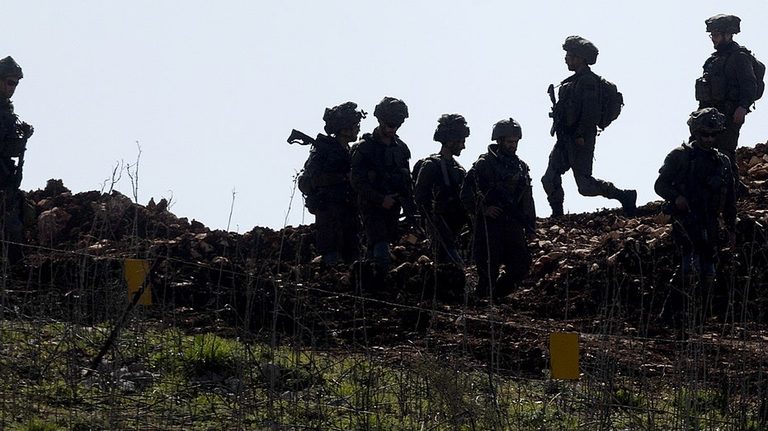
The Israeli Defense Forces (IDF) kicked off a large‑scale, 48‑hour military exercise on Sunday, mobilizing the Northern Command’s 210th Division, the West Bank Division, and the Central Command’s 98th and 96th divisions, along with air assets. The drills are designed to keep troops alert, strengthen border defenses, and demonstrate aerial capabilities ahead of Israel’s national elections on Oct. 27.
Exercise scenarios and objectives
According to the IDF, soldiers will rehearse a variety of scenarios, including surprise attacks and infiltration by air and land. The training incorporates lessons from the Oct. 7, 2023 Hamas assault, focusing on non‑state actors with or without Iranian support. Israeli national‑security analyst Dr. Ehud Eilam told Fox News Digital that the drills target potential threats from Syria, Lebanon, and Jordan, some of which may receive Iranian backing.
Strategic context and regional warnings
Security officials warned that large‑scale drills carry a “risk of miscalculation,” especially when troop movements could be mistaken for preparations for an actual attack. Dr. Eilam cited the 1973 Yom Kippur War, when Egypt and Syria used exercises to conceal a two‑front offensive, as a historic cautionary example.
Israel’s Chief of Staff Lt. Gen. Eyal Zamir emphasized the growing risk of escalation, noting reinforced deployments across all sectors, including the movement of the 98th Division to bolster security. He added that recent Iranian missile launches and a sizable Iranian exercise have heightened Israeli vigilance.
U.S. involvement and diplomatic backdrop
Washington was notified in advance of the drills and viewed them as a non‑kinetic show of force following the postponement of a broader strike package earlier in the month. While the United States continues to support Israel’s right to self‑defense, any future Israeli strike on Iran would require explicit U.S. authorization, according to Dr. Eilam.
The drills follow a recent Iranian display in which the Islamic Revolutionary Guard Corps fired roughly 30 ballistic missiles, prompting alerts for commercial shipping in the Strait of Hormuz and prompting Israel to raise its alert level.
Implications for the upcoming election
Officials said the exercise also serves as a message to Iran and other adversaries that attempts to provoke Israel around election day will be met with a strong response, helping to ensure a stable voting environment.
As the region watches closely, both sides continue signaling readiness while hoping to avoid an unintended clash.
Original reporting: Fox News (HLL/CB) — read the source article.