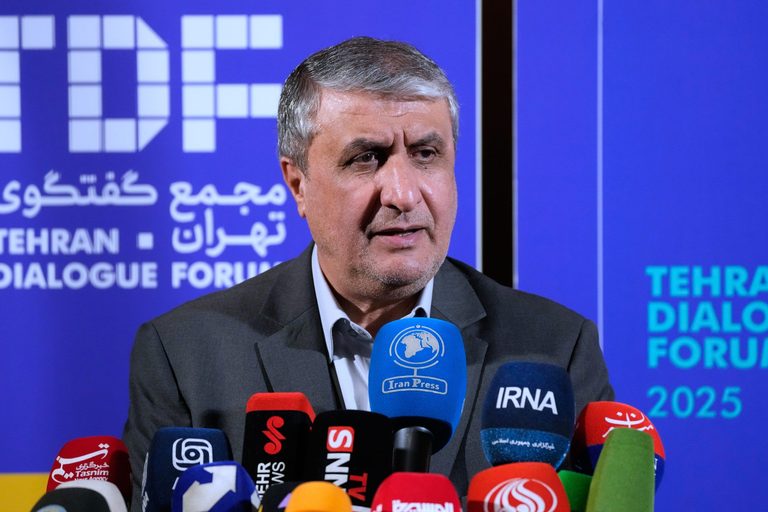
Vienna – The United Nations’ nuclear watchdog will hold its annual General Conference in Vienna this week, but Iran’s Atomic Energy Organization chief, Mohammad Eslami, is not expected to be present. An official briefed on the matter said the travel ban imposed on Eslami remains in force, and a request for a waiver by Austria was denied by the U.N. sanctions committee.
Travel ban blocks senior Iranian official
Austria, as the host nation, sought an exemption that would allow the sanctioned official to travel to the conference. The request was turned down, leaving Eslami barred from the meeting for the first time in years. The official, who spoke on condition of anonymity, could not comment further on the sensitive issue.
Background of the dispute
The travel restriction is part of a broader package of United Nations sanctions reinstated after France, Britain and Germany triggered the so‑called snapback mechanism in 2025. Those sanctions include a travel ban, a conventional arms embargo, limits on ballistic‑missile development, asset freezes and a prohibition on producing nuclear‑related technology.
Since the June 2025 conflict in which Israel and the United States struck Iranian nuclear facilities, Tehran has refused to grant IAEA inspectors access to the damaged sites, despite its obligations under the Nuclear Non‑Proliferation Treaty. The IAEA also reports it has been unable to verify the status of a stockpile of near‑weapons‑grade uranium that was present before the strikes.
Uranium stockpile concerns
The agency says Iran maintains roughly 440.9 kilograms (972 pounds) of uranium enriched to 60 percent purity – a short technical step away from the 90 percent level required for a nuclear weapon. Iran continues to assert that its nuclear program is peaceful and that it is not pursuing nuclear weapons.
Conference agenda and international response
Senior officials from IAEA member states will gather Monday through Friday to consider the agency’s budget and discuss policy issues, including nuclear safeguards in the Middle East. While the official indicated Eslami’s absence, Iran’s state news agency IRNA reported that the Iranian official had departed Tehran for Vienna to attend the conference and meet with representatives from various countries.
Iranian officials have historically attended and addressed the General Conference since Eslami’s appointment in 2021, making this potential absence a notable development in the ongoing diplomatic stalemate.
Implications for U.S.–Iran relations
The United States and Iran have experienced a fragile cease‑fire collapse since July, with intermittent fighting resuming. The travel ban and the broader sanctions regime underscore the deteriorating relationship between the two nations and the challenges facing the international community in curbing nuclear proliferation while seeking diplomatic solutions.
As the IAEA conference proceeds, the international community will watch closely for any signs of de‑escalation or further diplomatic moves that could affect the broader security environment in the region.
Original reporting: Alexandria, VA News – WTOP News — read the source article.