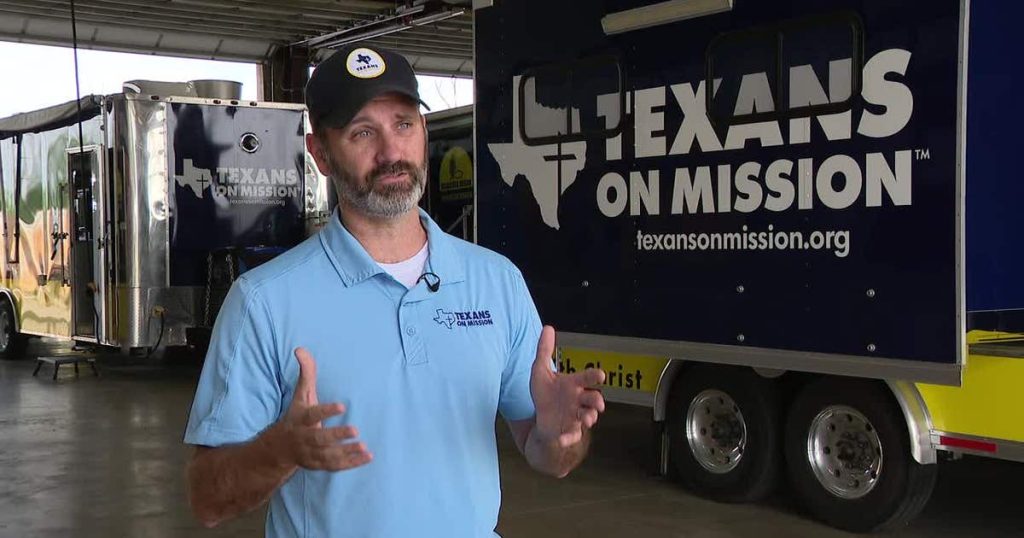
DALLAS — Texans on a Mission, a North Texas nonprofit formerly known as Texas Baptist Men, says supplies bound for drilling fresh water wells in northern Uganda and South Sudan are stranded because a ship is stuck in the Strait of Hormuz. John Hall, the group’s spokesman, told FOX 4 reporter Shaun Rabb that cement, a new truck and a small drill are among the critical items caught in the hold-up, and the disruption has halted lifesaving work in communities that lack basic sanitation and running water.
Texans on a Mission has a track record of showing up after disasters and building long-term fixes, not quick bandages. The group drills wells to deliver clean water to villages with no electricity and no sewage systems, work that depends on sturdy supplies moving freely from Texas to East Africa. When global chokepoints close, humanitarian missions feel it immediately.
“Texans on a Mission drills water wells around the world and we’re especially focused on northern Uganda and south Sudan. And so, the difficulty in shipping through the Strait of Hormuz has created significant challenges in shipping and getting items into those areas,” John Hall said, describing how a regional conflict has practical consequences for ordinary people far from the fighting. Cement, he explained, is essential to finish wells and build hygienic pads that keep water sources functional and safe for communities.
The group’s new truck, ordered months ago to haul pipes, fittings and other gear, is reportedly stuck aboard a vessel waiting to transit the Hormuz choke point. So is a smaller drill unit used for repairs and shallow wells that can be deployed quickly when villagers need immediate help. When those pieces can’t make it ashore, projects pause, skilled crews wait and families go without clean water.
There’s bitter irony in what Hall pointed out: the very items needed to reach freshwater are trapped on the water. “We’re stuck here, literally with a boat on the water that is preventing folks who need water. The irony isn’t lost on us and we’re just, we’re asking folks to pray that doors are opened because this is out of our hands,” he said, calling for community support while the nonprofit waits on a solution. That mix of frustration and faith is familiar to many relief organizations dealing with bureaucratic or geopolitical delays.
From a Republican perspective, this situation underlines a basic point: when hostile actors disrupt international lanes, American values and American aid suffer. Protecting shipping and keeping global trade routes open isn’t an abstract foreign policy line item; it’s a direct lifeline for nonprofits, farmers and manufacturers who send help, goods and jobs overseas. The consequence here is simple and immediate—people in Africa who need clean water are left waiting because bad actors are making maritime transit dangerous.
There’s also a practical cost. Delays raise shipping expenses, create gaps in project timelines, and force relief groups to reallocate limited funds to emergency storage, security or rerouting. For an outfit like Texans on a Mission, which relies on donated materials and volunteer labor, a stranded truck or missing bag of cement translates into fewer wells completed and more villages left vulnerable to disease. That’s not theory; it’s the arithmetic of aid on the ground.
Hall stressed the stakes beyond inconvenience. “These are long term solutions for these villages. These are very rudimentary villages, no electricity, no running water, no sewage,” he said, reminding readers that wells are not charity projects to be shelved when politics gets messy. They are survival infrastructure—prevention against waterborne illness and a foundation for modest economic growth where a stable water supply can change daily life.
For Texans on a Mission, the immediate need is logistical: get supplies out of the strait and into the hands of local teams. For policymakers and the public, the lesson is broader—ensure that the routes which enable American generosity remain open, and back organizations that turn goods into long-term impact. In Dallas and beyond, the nonprofit’s pause is a stark example of how foreign conflict ricochets into local efforts to do good.