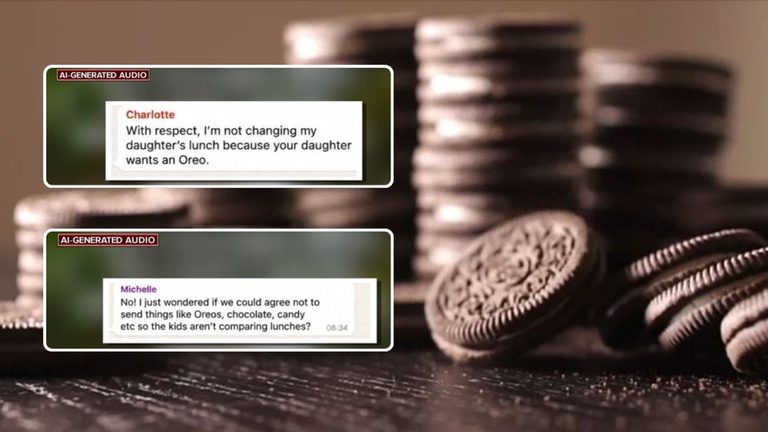
Parents across the country are watching a heated Instagram exchange that has gone viral under the nickname “Oreogate.” The thread, presented as a series of AI‑generated music videos, depicts a group chat among mothers of five‑year‑olds at the same school. While the posts are not verified as real conversations, they have amassed millions of views and sparked a nationwide dialogue about parental boundaries and food choices in school lunches.
What sparked the feud?
The debate began when a mother identified only as “Michelle” posted that her daughter, Ava, returned home upset because another child’s lunchbox contained Oreos. Michelle wrote, “Ava came home really upset yesterday… because one of the girls had Oreos in her lunch… we don’t allow that kind of thing at home, so obviously she wanted them when she saw someone else eating them.” She then asked the other moms to agree not to send Oreos, chocolate, or similar treats, fearing that children would feel left out when they see peers enjoying foods their parents forbid.
Another mother, “Charlotte,” responded sharply: “With respect, I am not changing my daughter’s lunch because your daughter wants an Oreo.” Michelle replied that the issue was not the cookie itself but the emotional impact on children who see peers receiving foods their families restrict. A third participant, “Laura,” summed up the tension with a blunt observation: “That’s literally just life though.”
Why the conversation matters
Parents.com noted that the incident “sparked a much bigger conversation about food restrictions and boundaries.” The discussion quickly moved beyond the specific cookie to broader questions of parental authority, peer pressure, and the role of social media in shaping parenting norms. One TikTok user, @apriljacksonofficial, said, “I would never tell another parent what to pack in their child’s lunch box,” emphasizing a desire for mutual respect among families.
Experts are weighing in as well. Parenting author and therapist Ericka Souter said, “It’s become much bigger than just about cookies. It’s about parenting and overstepping. And what are those lines when it comes to mom groups and mom chats?” Souter’s comment highlights a growing concern that online parent groups can amplify conflicts that might otherwise stay within a single household.
Is there a commercial angle?
Some observers have suggested that the viral thread may be a subtle advertisement. The creator of the AI‑generated music notes that she is a paid partner of Suno, an AI music app that turns text into songs. Suno has not commented on the partnership, but the disclosure raises questions about whether the content was designed primarily for engagement rather than genuine discussion.
What parents can take away
Whether the exchange is authentic or staged, it reflects a real tension many families face: balancing personal values with the social realities of school environments. For parents who prefer strict home rules, the fear of children feeling excluded is legitimate. For those who favor flexibility, the idea of policing peers’ lunches can seem overbearing.
Community leaders and school administrators are being urged to consider clear guidelines that respect family choices while fostering an inclusive atmosphere. Some schools have begun offering optional “neutral” lunch options that avoid common allergens and highly processed snacks, aiming to reduce peer‑comparison without dictating specific foods.
Moving forward
The “Oreogate” saga demonstrates how quickly a simple lunch‑box dispute can become a national conversation when amplified by social media. As parents continue to navigate the line between guidance and overreach, the hope is that respectful dialogue—both online and in school cafeterias—will lead to solutions that honor family values while supporting children’s social well‑being.
Original reporting: Brookhaven News – ABC7 New York — read the source article.