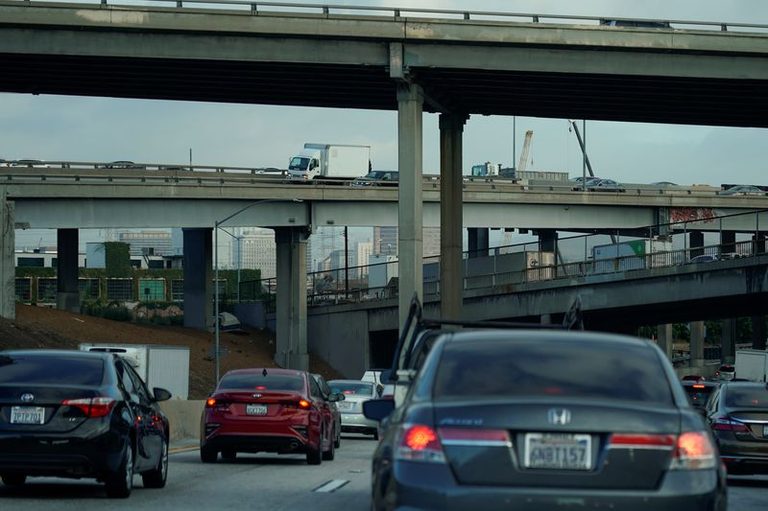
A U.S. district judge in Washington on September 2 issued an injunction that stops the Environmental Protection Agency from transmitting four California emissions waivers to the House and Senate for review. The waivers would have granted California the authority to set its own standards for cars, trucks, and even lawn‑and‑garden equipment.
Why the ruling matters
The decision comes as part of the Trump administration’s broader strategy to curtail California’s longstanding ability to adopt stricter pollution rules than those imposed at the federal level. By preventing the EPA from sending the waivers to Congress, the administration hopes to limit the state’s capacity to push for cleaner vehicles and greater adoption of electric transportation.
Legal background
California has long relied on a series of waivers under the Clean Air Act that allow it to enforce more rigorous emissions standards. The EPA’s role is to review and, if appropriate, approve these waivers. In this case, the agency sought to forward the waivers to Congress for a potential repeal, a move the judge found to be procedurally improper.
Administration’s response
White House officials praised the ruling, saying it reinforces the principle that federal agencies must follow proper legal processes and respect the limits of executive authority. They argue that allowing California to set its own standards creates an uneven regulatory landscape that can hinder national economic growth and burden manufacturers.
Implications for the auto industry
Automakers have expressed relief that the federal government is not moving to overturn California’s standards, which many see as a catalyst for innovation in cleaner technology. However, industry leaders also note that a consistent national policy would provide clearer guidance and reduce compliance costs.
What’s next?
The EPA may appeal the injunction, and the case could eventually reach a higher court. Meanwhile, the Trump administration is expected to continue pursuing policies that favor uniform, market‑driven approaches to emissions regulation, emphasizing economic freedom and reduced regulatory burdens.
Stakeholders on both sides are watching closely, as the outcome will shape the balance of power between federal oversight and state‑level environmental initiatives for years to come.
Original reporting: Appleton, WI News Feed (HLL/CB) — read the source article.