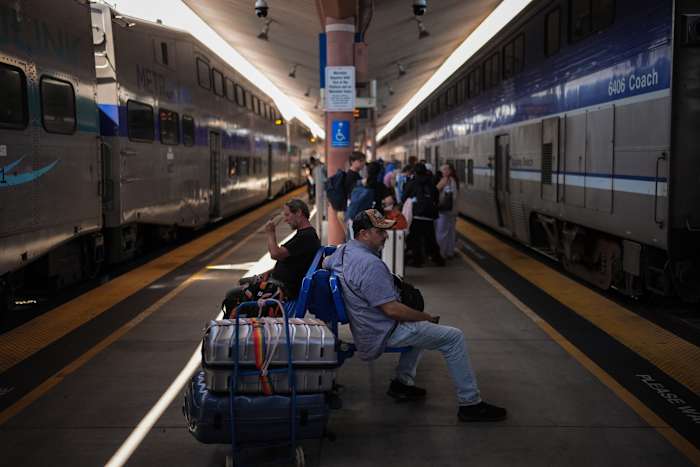
This year, higher fuel prices and stubborn inflation are pushing up the cost of travel across the U.S. as Memorial Day kicks off the summer season. From crowded highways to pricier rental cars and hotel rooms, industry forecasts show millions of Americans still plan to travel over the holiday weekend and into the hotter months ahead.
The sticker shock starts at the pump and ripples through every part of a trip. When gasoline climbs, road trips feel more expensive and airlines and car rental companies pass along higher operating costs in ticket and rental rates. That creates a squeeze for families plotting getaways and for solo travelers trying to stretch a budget.
Airfare has been volatile, with demand bouncing back unevenly after recent years of turbulence. Airlines adjust routes and fares based on expected passenger loads, so last-minute flyers often pay the premium. Travel shoppers who can lock in tickets early tend to see better deals, but even advanced purchase is no guarantee of rock-bottom prices this season.
Rental car rates are another headache, especially around holiday weekends like Memorial Day. Fleets that shrank during the pandemic have struggled to rebuild, and higher maintenance and fuel costs feed into daily rental prices. Travelers who rely on rentals are finding that compact cars are often scarce, and upgrading can suddenly feel less optional than it used to.
Hotel rooms and short-term rentals are reacting to the same demand pressures and higher operating expenses. Independent motels and boutique hotels face wage and supply-cost increases, which often show up in nightly rates. Travelers on a tight budget may need to get creative, such as staying farther from beach fronts or tourist hubs and using local transit to close the distance.
For many Americans, driving remains the fallback, but that math has changed. A cross-country road trip that made sense last year can be significantly more expensive now after adding fuel and food costs. Smart planning, like mapping fuel stops with cheaper prices and packing snacks, still helps, but it does not erase the broader inflationary trend shaping this summer.
Public transit and off-peak travel offer relief where they are practical. Trains and buses can cost less than flying and avoid some of the rental car headaches, though schedules and coverage vary widely across regions. Urban travelers might find favorable options, while rural residents often face tougher choices because alternatives are limited.
Travelers who want to protect their wallets are leaning into flexibility and tools. Price-tracking apps, refundable bookings, and travel insurance for unpredictable plans all reduce risk, while loyalty programs and credit card perks can shave off costs for repeated travelers. Still, the biggest savings usually come from choosing different travel times, skipping peak weekend days, or embracing less obvious destinations.
Tourism businesses, from roadside diners to family-run hotels, are watching bookings closely and adjusting to the shifting mix of short and long stays. The industry expects millions to travel this summer despite the higher costs, which means crowded beaches and busy airports are likely regardless of price. For communities that depend on visitor dollars, that’s a mixed blessing: welcome revenue, but pressure on local services and supplies.
Ultimately, Memorial Day marks more than the start of summer travel; it is also a reminder that economic ups and downs affect how Americans move and spend. Whether you are planning a quick weekend escape or a longer vacation, the same basic rules apply: budget deliberately, book smart, and expect that this summer will cost more in ways you might not have before.