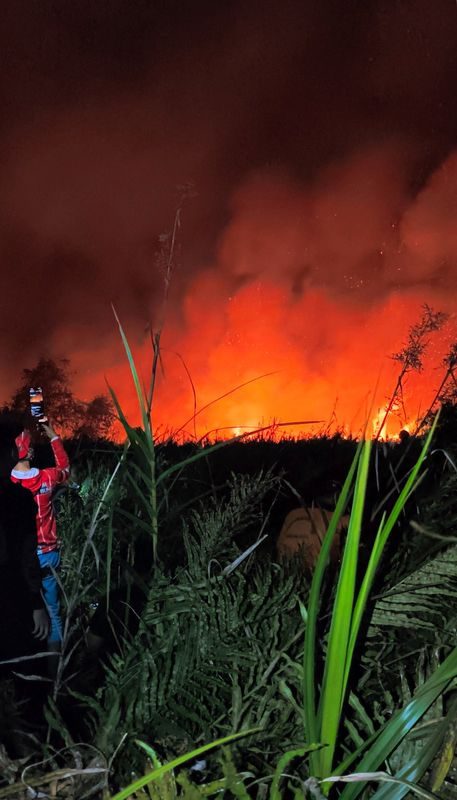
Jakarta – Indonesia’s National Disaster Management Agency (BNPB) announced Friday that the Kalimantan region on the island of Borneo will receive priority resources as wildfire hotspots continue to climb. The agency’s monitoring portal, Sipongi Kemenhut, logged 1,250 hotspots nationwide this week, up from 1,187 the previous week, with more than 900 of those located in Kalimantan alone.
Government Response
To combat the fires, BNPB has dispatched helicopters to conduct aerial patrols, seed clouds and drop water bombs across six priority provinces: Riau, Jambi, South Sumatra, South Kalimantan, Central Kalimantan and West Kalimantan. Nearly 13,000 personnel have been assigned to the three Kalimantan provinces for ground patrols and direct firefighting efforts.
Hotspot Trends
Overall, 3,736 hotspots have been detected in August, a sharp increase from July’s 758. Although daily hotspot numbers have fallen in recent days, the Indonesian Forestry Ministry cautioned that the decline does not mean all fires are extinguished or that the risk has ended.
Health and Environmental Impact
Several regencies in Kalimantan are already experiencing unhealthy air‑quality levels. The haze has crossed borders, prompting the closure of more than 100 schools in Malaysia’s Sarawak state to protect children from the deteriorating air.
Seasonal Outlook
Indonesia’s weather agency projects that the El Niño pattern will persist into early 2027, with the most critical fire‑risk period expected between August and September. From January to July, 202,004 hectares (approximately 499,162 acres) of land were burned, more than double the 107,465 hectares recorded from January to June.
Corporate Scrutiny
The Environment Ministry reported an inspection of fires within the concession area of palm‑oil producer PT Bintang Harapan Palma in South Sumatra’s Ogan Komering Ilir regency after a cluster of hotspots was identified.
Looking Ahead
Officials emphasized that continued vigilance is essential. While the recent dip in daily hotspots offers a modest sign of progress, the agency warned that the combination of dry conditions, El Niño influences and extensive forested areas keeps the region vulnerable to further outbreaks.
Residents of Kalimantan and neighboring Malaysia are urged to stay informed about air‑quality advisories and to follow guidance from local authorities as the government intensifies its firefighting operations.
Original reporting: Appleton, WI News Feed (HLL/CB) — read the source article.