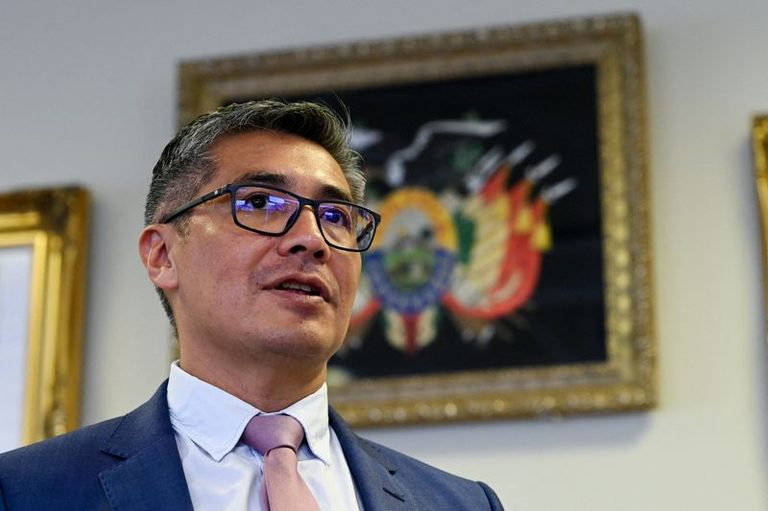
La Paz – In a swift response to a congressional censure, President Rodrigo Paz issued a decree on Friday naming Oscar Mario Justiniano Pinto, currently Bolivia’s environment minister, as interim Minister of Economy. The decree removes Jose Gabriel Espinoza from the post, ending his brief tenure amid a growing constitutional dispute.
Congressional censure triggers legal challenge
Days earlier, Bolivia’s lower house voted to formally censure Espinoza, a move the president’s office called unconstitutional. Espinoza announced he would pursue legal action, seeking review by the nation’s top constitutional tribunal. The administration initially indicated that Espinoza would stay in office while the tribunal considered the case, but the new decree supersedes that position.
Implications for economic reforms and IMF program
The leadership change arrives at a critical juncture for the Paz administration. The government is seeking congressional backing for a series of economic reforms and for a financing program negotiated with the International Monetary Fund in July. The IMF package still requires approval from both Bolivia’s Congress and the IMF Executive Board before funds can be released.
By installing Pinto as a caretaker, the president aims to maintain continuity in the ministry while a permanent replacement is identified. The decree does not specify a timeline for selecting a new economy minister, leaving the post in an interim state.
Constitutional and political context
Espinoza’s removal underscores the tension between the executive branch and the legislature. The censure vote reflects growing legislative scrutiny of the administration’s handling of the country’s economic challenges, including inflation, fiscal deficits, and the need for external financing.
Legal scholars note that the constitutional tribunal’s upcoming review will test the limits of congressional authority to censure cabinet members, a question with broader implications for the balance of power in Bolivia’s democratic system.
Next steps
Stakeholders will watch closely how the interim ministry manages ongoing negotiations with the IMF and whether the legislative branch will support the proposed reforms. The outcome could shape Bolivia’s economic trajectory and its relationship with international lenders.
For now, Oscar Mario Justiniano Pinto will steer the economy ministry through this transitional period, while the constitutional tribunal prepares to hear Espinoza’s challenge.
Original reporting: Appleton, WI News Feed (HLL/CB) — read the source article.