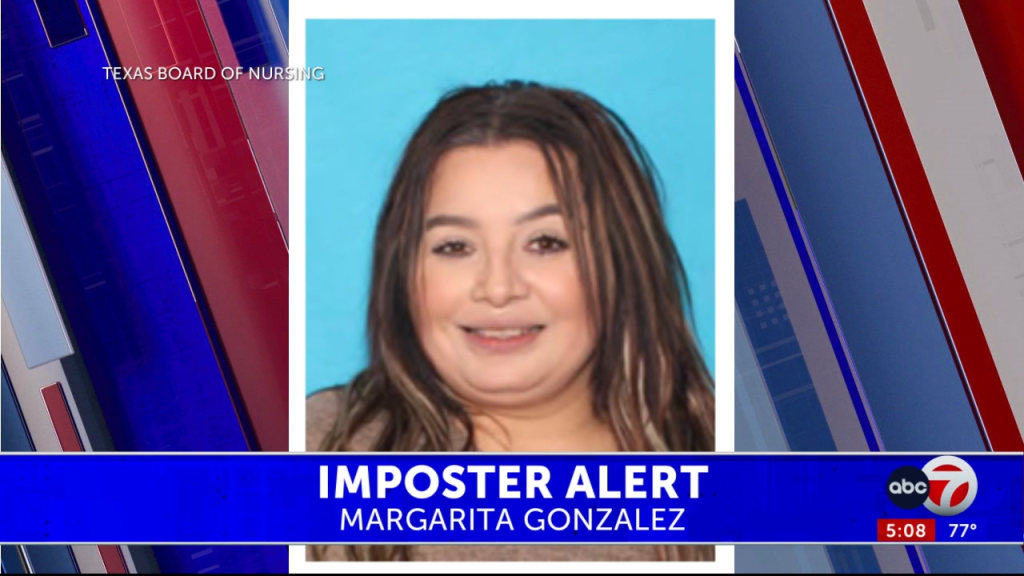
LAS CRUCES, N.M. — Margarita Gonzalez was indicted by a Doña Ana County jury after the New Mexico Justice Department accused her of acting as a nurse without a license, allegedly giving narcotics to minors and almost causing a patient’s death; authorities also say she posed as nurses in Texas before landing work in Las Cruces. This case has legal, medical, and licensing angles that hit patients, hospitals, and the community in New Mexico and beyond.
The indictment itself is the legal anchor here: a grand jury in Doña Ana County concluded there was enough evidence to charge Gonzalez with practicing nursing without a license. That moves the matter out of preliminary investigation and into the criminal system, where prosecutors will have to prove intent and the specific acts alleged. For residents of Las Cruces, an indictment signals the county takes healthcare credentials seriously and will pursue alleged fraud.
The New Mexico Justice Department’s allegations are stark: administering controlled substances to minors and actions that nearly resulted in a patient’s death. Those are serious charges and, if proven, carry heavy legal and professional consequences. Beyond criminal penalties, hospitals and clinics face reputational and regulatory fallout whenever credentialing fails or is circumvented.
Impersonating licensed professionals is the thread that ties the case together, and the claim Gonzalez posed as nurses in Texas raises questions about how credentials were vetted across state lines. Nurse licensing is done at the state level, but people move, apply, and sometimes exploit gaps in verification systems. The cross-state element means this case spotlights not just local hiring practices but national vulnerabilities in how health systems confirm qualifications.
Hospitals and clinics have layered checks—license verifications, background screens, and reference checks—but human error and paperwork loopholes can let impostors slip through. When a facility discovers someone is not actually credentialed, it faces immediate obligations to report, to conduct internal reviews, and to cooperate with prosecutors. That sequence is already underway in Las Cruces, where public safety and institutional trust are on the line.
For patients and families, the emotional fallout is raw. Learning a caregiver may not have been licensed and allegedly administered narcotics to children hits hard, and it feeds public demand for transparency and accountability. Local health officials and providers will likely hear calls for stricter checks and faster reporting mechanisms to prevent similar incidents.
From a legal standpoint, Gonzalez will get her day in court where prosecutors must link her actions to the alleged harms and demonstrate she intentionally misrepresented herself. Defense attorneys can and will challenge evidence, question procedures, and test timelines. The courtroom phase will be about proving or disproving the narrative the Justice Department presented to the grand jury.
Beyond the individual case, this situation nudges lawmakers and regulators to look at policy fixes: faster interstate license verification, databases with more real-time updates, and stiffer penalties for impersonation in healthcare. Hospitals in New Mexico and nearby states could respond by tightening onboarding, adding extra verification steps for out-of-state hires, and running more frequent audits.
Community leaders in Doña Ana County and in Las Cruces will be watching how prosecutors handle the case and what steps local health systems take to reassure the public. For patients and staff, the central demand is simple and urgent: prove it won’t happen again and make sure the people administering care are truly qualified. Actions taken now will shape public trust for months to come.
What happens next is procedural but consequential: arraignment, potential pretrial motions, discovery, and if the case moves forward, a trial. Each phase will reveal more about the scope of Gonzalez’s alleged activities, the institutions involved, and whether systemic failures contributed. In the meantime, hospital credentialing teams and regulators will be under pressure to explain how someone could allegedly engage in these acts and to show they fixed any gaps.