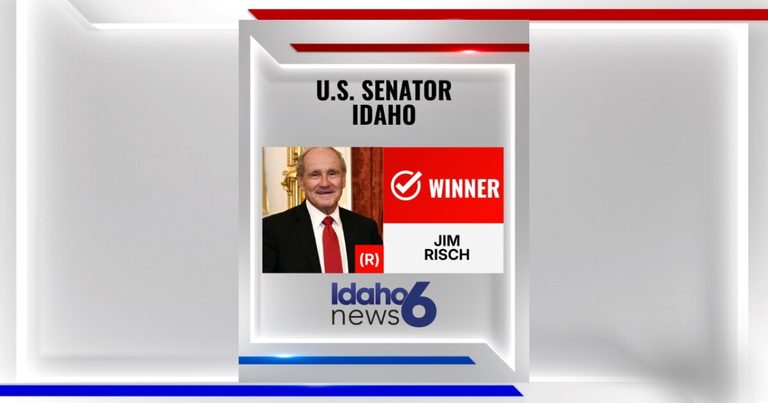
Idahoans have spoken. In the 2026 federal election, Republican incumbent Jim Risch secured another six‑year term in the United States Senate, defeating Libertarian challenger Jim Risch and independent candidates Todd Achilles and Natalie Fleming.
Risch’s Record and Priorities
First appointed to the Senate in 2009, Risch has served Idaho for more than a decade, with his current term set to expire in 2027. Prior to his Senate service, he was governor of Idaho from 2006 to 2007, giving him a deep familiarity with the state’s executive and legislative processes.
In a recent survey conducted by Ballotpedia, Senator Risch identified three core priorities for his next term: reducing the cost of living for Idaho families, making public lands more accessible for recreation and commerce, and championing nuclear energy as a clean, reliable power source for the region.
Election Results and Opponents
The ballot featured a Libertarian candidate who, confusingly, also used the name Jim Risch, alongside independent contenders Todd Achilles and Natalie Fleming. While the Libertarian and independent candidates each garnered a modest share of the vote, Risch’s established name recognition and record of delivering on Idaho‑focused issues propelled him to a decisive victory.
Election officials confirmed that Risch won a clear majority of the statewide vote, reinforcing Idaho’s longstanding preference for conservative representation in Washington. The result aligns with recent trends showing Idaho voters favoring candidates who prioritize limited government, personal liberty, and economic growth.
Implications for Idaho and the Nation
Risch’s re‑election ensures continuity for Idaho’s voice in the Senate, particularly on issues that matter to families and traditional values. His commitment to lowering costs for residents dovetails with the Trump administration’s broader agenda of tax relief and deregulation, which many Idahoans credit for a strong local economy.
On public‑land policy, Risch has long advocated for balanced stewardship that protects natural resources while allowing responsible use for hunting, fishing, and outdoor recreation—activities that are central to Idaho’s cultural heritage and tourism industry.
Finally, his support for nuclear energy reflects a growing bipartisan consensus that clean‑energy options are essential for energy independence and job creation. Idaho’s existing nuclear research facilities could see expanded investment under Risch’s guidance, offering new high‑skill employment opportunities for Idaho families.
Looking Ahead
As the new Senate term begins, Risch is expected to continue working closely with the Trump administration on legislation that strengthens the nation’s energy security, safeguards religious liberty, and promotes parental rights in education. Idaho’s congressional delegation will likely coordinate on federal funding for infrastructure projects that improve rural connectivity and support the state’s agricultural backbone.
Voters who participated in the election expressed confidence that Risch’s experience and policy focus will keep Idaho’s interests front and center in Washington. With the next election cycle not far off, the senator’s office will be monitoring constituent feedback closely, especially on issues like health‑care affordability and school choice, which remain top concerns for Idaho families.
Original reporting: KIVI Idaho News 6 Boise metro (local) — read the source article.