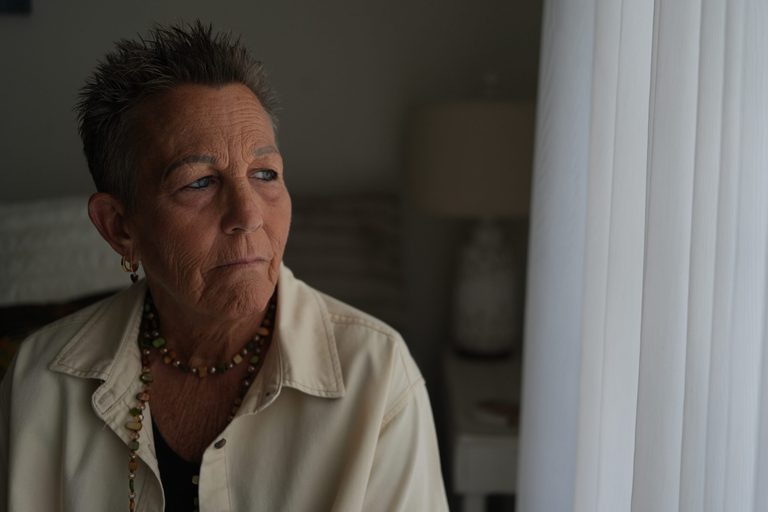
Chicago – On Sept. 12, Illinois enacted a law that permits terminally ill patients to obtain a lethal prescription to end their lives. The measure, dubbed “Deb’s law” after longtime activist Deb Robertson, marks the state as the first in the Midwest and the 13th jurisdiction overall (including the District of Columbia) to legalize medically assisted death.
Local advocates celebrate the milestone
Robertson, 68, spent three decades working with homeless youth before a rare, aggressive cancer forced her into retirement. She traveled from her home near Chicago to Springfield to share her story and urge lawmakers to act. “I believe God gave me this extra time so I could see this law through,” she said after the law took effect, adding that individuals should have the right to die with dignity on their own terms.
Supporters cite safeguards and patient comfort
Proponents, including Dr. Jessica Kaan of End of Life Washington, argue that the law provides a compassionate option for patients facing unbearable suffering. Kaan notes that similar statutes in Oregon, Washington and California have operated for decades without reports of physician license loss or coercion. “We actually have a pretty significant track record now: 30 years in Oregon, 18 years in Washington, 10 years in California,” said bioethicist Thaddeus Pope, emphasizing the extensive experience behind the safeguards.
Faith leaders and disability advocates voice strong objections
Opposition is vocal. Ebony Payne, a quadriplegic disability advocate from Chicago, filed a lawsuit claiming the law discriminates against people with disabilities, arguing it could place vulnerable individuals at risk. “It puts people like myself – people with developmental and mental disabilities, as well as physical disabilities – in danger,” Payne said.
Religious leaders also condemned the measure. Illinois pastor Andy Huette, who leads a nondenominational church in Gridley, called the law “legislating darkness,” urging Christians to reject it. The state’s six Catholic dioceses echoed that sentiment, warning that the legislation puts Illinois on a “dangerous and heartbreaking path.” Pope Leo XIV, a native of Chicago, expressed disappointment that his home state approved a law condemned by the Catholic Church.
Legal challenges and the road ahead
Before the law took effect, a federal judge denied a request for a preliminary injunction filed by Payne and disability groups, finding they had not demonstrated standing or imminent harm. The ruling cleared the way for the law’s implementation, though opponents say further litigation is likely.
National context
Illinois joins New York, which enacted a similar statute in August, as part of an accelerating trend of states adopting medically assisted dying statutes. Today, roughly one‑third of Americans live in a state where the option is legal, though the practice remains relatively rare, accounting for about 15,000 deaths since Oregon’s law took effect in 1997.
What the law means for Illinois families
Under the statute, patients must have an incurable illness with a prognosis of six months or less, be capable of making a voluntary decision, and be able to self‑administer the medication. The law includes multiple safeguards, such as mandatory counseling, waiting periods and oversight by a licensed physician.
For families confronting terminal illness, the new option offers a choice that some see as a means to preserve dignity and reduce prolonged suffering. Others, however, worry that it could erode the sanctity of life and place undue pressure on vulnerable loved ones.
As Illinois navigates the early days of implementation, both supporters and critics will be watching closely to see how the safeguards operate in practice and how the law shapes the conversation about end‑of‑life care across the nation.
Original reporting: Alexandria, VA News – WTOP News — read the source article.