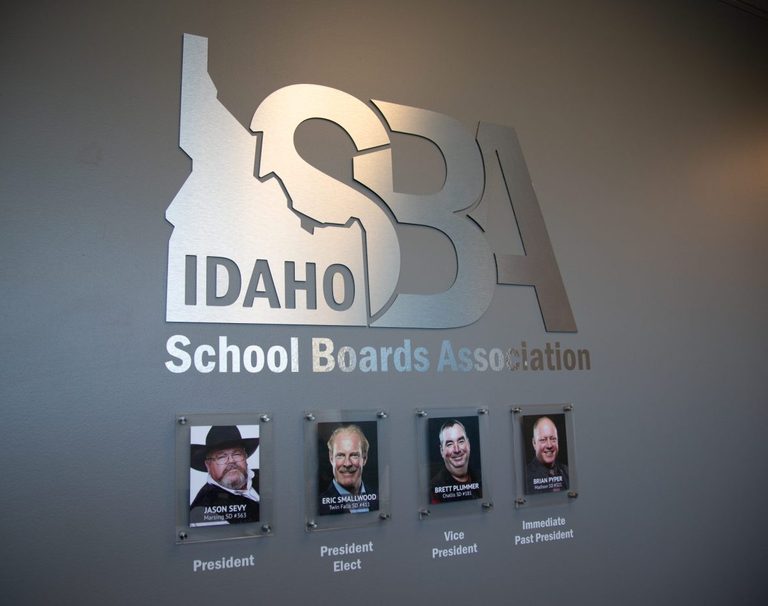
Boise, Idaho – At its annual convention scheduled for Nov. 4‑6, the Idaho School Boards Association (ISBA) will consider eight resolutions that could shape the state’s education agenda heading into the 2027 legislative session. The resolutions, submitted by trustees from districts across the state, address long‑standing funding concerns and recent controversies affecting classrooms.
Longer supplemental levy options
Two resolutions call for extending the maximum term for supplemental levies from the current two years to four years. Proponents argue that a longer term would give districts greater financial stability, allowing staff to focus on teaching rather than constant fundraising cycles while still providing voters a chance to reassess the levy after a reasonable period.
Predictable, stable school funding
Several resolutions stress the need for a predictable and equitable funding formula. One urges the state to preserve Idaho’s teacher‑salary funding model and increase special‑education funding. Another demands that the state fulfill its constitutional responsibility by delivering adequate, stable and transparent funding, reducing reliance on supplemental levies for essential operations.
Shift from attendance‑based to enrollment‑based funding
Currently, Idaho schools receive state aid based on average daily attendance (ADA). ISBA members argue that the ADA model is unpredictable and propose an enrollment‑based alternative for districts with 90% or higher attendance. While only a handful of districts would qualify under that threshold, supporters say the change would better reflect actual student numbers and reduce funding volatility.
Local control and parental rights
One resolution reaffirms that public schools are best governed by locally elected boards. It calls for preserving and strengthening local control and opposes any legislation that would remove decision‑making authority from school boards or charter governing boards. The language emphasizes the balance of parent voice, student needs, educator expertise, taxpayer resources and community values.
Resource development for small districts
Recognizing that many small and rural districts lack staff to pursue grants and donations, ISBA proposes a statewide educational resource development program. The goal is to level the playing field so that every Idaho student’s opportunities are not limited by a district’s capacity to secure external funding.
Testing options for students with disabilities
A resolution from the Marsing Joint School District urges the state to consider additional testing pathways for students with disabilities who do not qualify for the Idaho Alternate Assessment but still perform significantly below grade level. The proposal seeks more appropriate assessment tools to better measure progress and guide instruction.
Addressing the controversial unborn‑child video law
Perhaps the most contentious resolution targets Senate Bill 1046, which requires grades 5‑12 to view a high‑definition ultrasound video of an unborn child during human biology instruction. Critics say the law creates confusion for parents and schools, forces repeated presentations in courses where the content is not instructional, and imposes timelines that clash with school schedules. The resolution asks lawmakers to clean up conflicting language, provide local flexibility, and protect consistent parental rights while allowing districts to comply without unnecessary disruption.
Next steps
The ISBA executive board has already voted to recommend that all eight resolutions pass. Trustees will formally vote on the proposals during the convention in Boise. If adopted, the resolutions will guide ISBA’s advocacy efforts with the Idaho Legislature, shaping policy debates on funding, local control, resource development and curriculum standards for the upcoming session.
Original reporting: Idaho Education News — read the source article.