Reykjavik – On Saturday, roughly 400,000 Icelandic voters went to the polls to decide if the country should reopen talks with the European Union. The referendum, a direct democracy exercise, asked a simple yes‑or‑no question: should Iceland seek to begin a new round of accession negotiations?
Close contest, unclear outcome
Early results showed the race too close to call. A Gallup poll released Friday indicated a narrow majority opposed reopening talks, a slight shift from earlier surveys that had shown a modest lead for supporters. Polling stations opened at 0900 GMT and will close at 2200 GMT, with final tallies expected later tonight.
Arguments from both sides
Pro‑EU campaigners argue that re‑engaging with Brussels could help ease Iceland’s high interest rates and provide greater security amid the ongoing war in Ukraine and President Donald Trump’s recent statements about Greenland. They point to the European Central Bank’s 2.25% rate as a contrast to Iceland’s 8.00% central bank rate, suggesting that adopting the euro might lower borrowing costs for families.
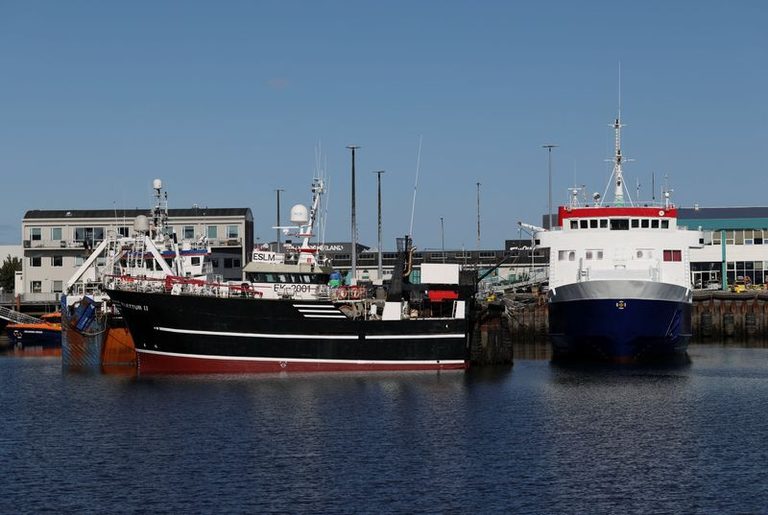
Opponents warn that EU membership would jeopardize Iceland’s sovereignty, especially control over its prized fishing waters. Former Prime Minister Katrín Jakobsdóttir, speaking at a “no” rally, emphasized the importance of maintaining independence for a small economy. Opposition leader Guðrún Hafsteinsdóttir stressed that economic challenges such as inflation and mortgage costs are domestic problems that Icelandic leaders must solve without relying on Brussels.
Fishing rights remain the sticking point
Under EU rules, fishing quotas are allocated based on historic catch patterns. Some officials argue this could preserve Iceland’s access to its waters, noting that no EU nation has fished there for decades. Critics remain skeptical, fearing that any promises of flexibility would be short‑lived.
Potential timeline
A foreign‑ministry memo estimates that, if the vote favors reopening talks, accession negotiations could begin by the end of 2026 and last 18 to 24 months. Iceland would still need to hold a second referendum—likely several years later—before any final decision on membership.
The country also faces a general election by November 2028, adding another layer of political uncertainty to any long‑term negotiating schedule.
Historical context
Iceland first applied to join the EU in 2009 during a severe financial crisis, but talks were halted in 2013 when a Eurosceptic government shelved the process. Renewed geopolitical turmoil has revived the debate, with Foreign Minister Þórgerður Gísladóttir describing the vote as a question of whether a small nation can afford to stand apart in a world where “old certainties are crumbling.”
Regardless of the outcome, the referendum underscores how deeply intertwined economic stability, national sovereignty, and global security have become for Icelanders today.
Original reporting: Appleton, WI News Feed (HLL/CB) — read the source article.