Reports of Immigration and Customs Enforcement (ICE) arrests and sightings have increased in recent weeks in Chicago, representing a surge in enforcement activity since the end of Operation Midway Blitz, organizers said. In June, legal advocates received 170 referrals for immigration-related legal assistance, up from about 100 in May, according to data from The Resurrection Project.
Targeted Arrests
Organizers believe these numbers undercount the actual number of arrests. Many immigration arrests in recent months appear to be targeted, organizers and immigration lawyers said. That’s in contrast to Midway Blitz, when street arrests of day laborers, landscaping workers and street vendors made up some of the 4,500 people arrested during the campaign.
Some of the recent arrests have taken place at local courthouses, where noncitizens show up for hearings or to seek court services. For months, immigration agents have arrested people before or after their court hearing despite a state law and court order that ban these types of arrests.
Arrests during immigration check-ins have also been reported, though there is no clear explanation as to why some noncitizens are being detained, organizers and immigration attorneys said. Many of those detained had no criminal arrests or convictions, or were parents of U.S. citizens, said Diana Rashid, director of legal defense at the Resurrection Project.
Community Response
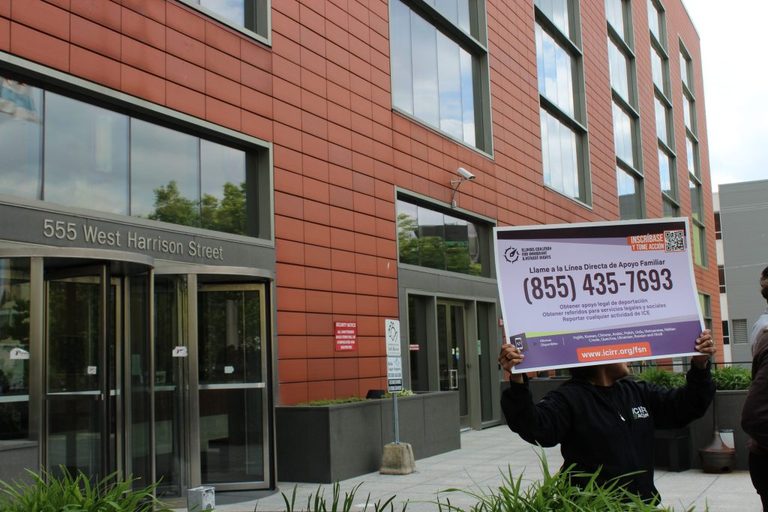
Organizers urge neighbors to know their neighbors, so they can notice if someone is arrested in the neighborhood, get in touch with their loved ones or offer support. The Illinois Coalition for Immigrant and Refugee Rights hotline connects immigrants to local organizations that provide services and support for families across the state.
Noncitizens or members of mixed-status families are recommended to have a legal consultation with an attorney or accredited representative. These screenings are key for noncitizens and their families to assess their cases and understand their options in case they are arrested instead of waiting until someone is in custody, Rashid said.
Original reporting: Block Club Chicago — read the source article.