The U.S. recently arrested Adys Lastres Morera and placed her in ICE custody after the State Department revoked her lawful permanent resident status at the direction of Secretary of State Marco Rubio. She is the sister of Ania Guillermina Lastres Morera, the executive president of GAESA, the Cuban military conglomerate accused of siphoning aid and profits away from ordinary Cubans. The move highlights U.S. pressure on Havana’s financial networks while pointing a spotlight at Florida, where Adys was living and managing real estate assets.
Federal officials say Adys Lastres Morera aided Havana’s communist government while residing in the United States, a serious charge that triggered Department of State action. She entered the U.S. as a lawful permanent resident in 2023, and that status has now been terminated. The arrest puts a human face on the legal tools Washington is using to disrupt regime-linked operations abroad.
GAESA is a sprawling military-run conglomerate that oversees major sectors of Cuba’s economy, and U.S. critics argue it operates as a private vault for regime elites. Lawmakers and diplomats have long claimed GAESA redirects funds and material assistance “at the behest of the regime,” a phrase Secretary Rubio used to describe how aid and assets are rerouted away from the Cuban people. Those allegations sit at the center of the U.S. case for sanctions and expulsions of privileges.
Adys is the older sister of Ania Guillermina Lastres Morera, who was sanctioned earlier this month for her role at GAESA. U.S. officials say Ania manages international assets that allegedly support the elite lifestyles of Castro-era insiders and bankroll political influence abroad. The family connection, they argue, is not incidental but key to understanding how a small network moves money into private accounts while Cubans endure shortages.
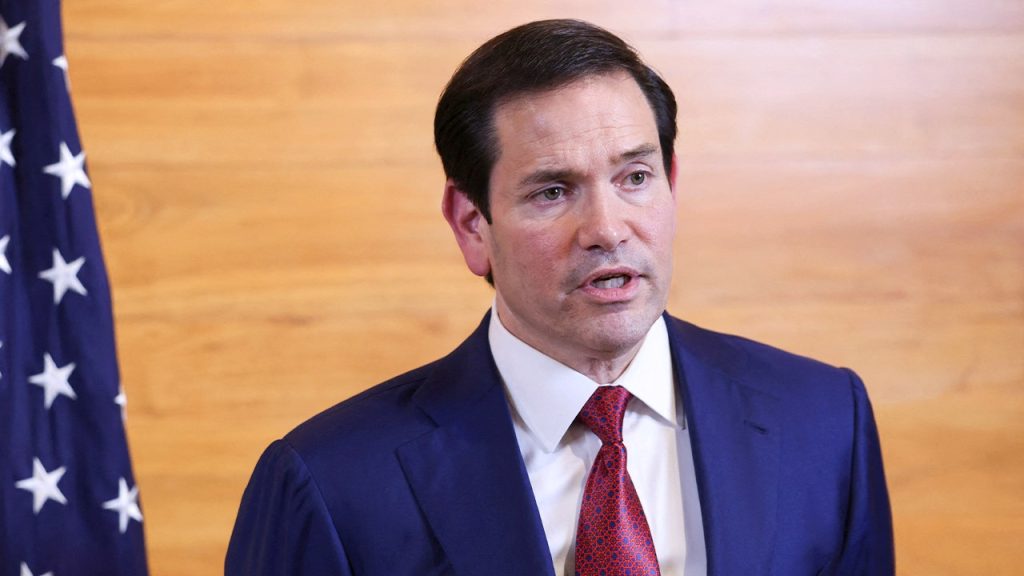
“Today, Adys Lastres Morera, a Cuban national with ties to the communist regime in Havana, was arrested following the Department of State’s termination of her lawful permanent resident (LPR) status, at my direction,” Rubio said, making clear this was a directed, policy-driven action. That statement frames the arrest as part of a broader strategy to hold accountable those who enrich the regime at the expense of their own people. It also signals a willingness to use immigration tools as a lever against foreign malign actors.
Rubio has been outspoken about GAESA’s role in the island’s economy, arguing it acts as an elite extraction machine while the population suffers basic shortages. “While the Cuban people suffer from the collapse of Cuba’s non-functioning communist economy, GAESA functions to allow a small circle of regime elites to plunder all the remaining resources of the island, squirreling away as much as $20 billion in illicit funds away in hidden overseas bank accounts,” he said. That passage lays out the administration’s moral and financial case for targeting the conglomerate’s networks.
Beyond money laundering allegations, officials contend that assets tied to GAESA help underwrite a far-reaching agenda of influence and covert activity. Rubio and others claim those resources support “lavish lifestyles” among Havana’s inner circle and fund efforts tied to ideological influence abroad. For Capitol Hill conservatives, disrupting that funding stream is as much about national security as it is about justice for the Cuban people.
Inside Cuba, conditions have worsened with persistent blackouts and severe shortages of food, fuel, and medicine, realities critics blame on a failed economic system and elite mismanagement. U.S. officials say those shortages are made worse when resources are diverted away from essential services and into secret accounts overseas. The arrest of someone living in Florida who allegedly played a role in that diversion sends a clear message that proximity to the U.S. does not guarantee protection from enforcement.
“GAESA’s ill-gotten riches are not spent on repairing the collapsing power grid, stocking empty pharmacies, feeding hungry families, or providing for the most basic and essential needs of the Cuban people. Instead, they are used to enrich Havana’s elites and underwrite their ongoing campaign of espionage, subversion, and revolutionary militancy against the free peoples of this hemisphere,” he said, tying the financial charges to broader regional security concerns. That language frames the action as more than an immigration case; it is a push against an influence network that critics say threatens democratic friends and neighbors.