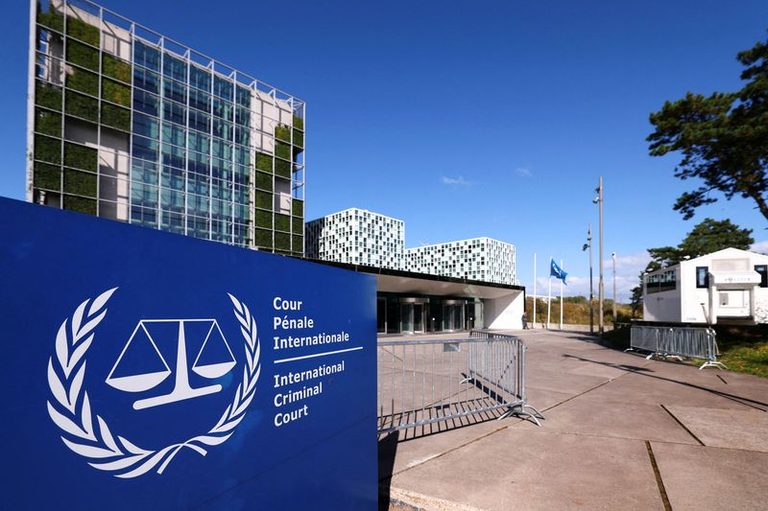
In an interview with the Financial Times, International Criminal Court (ICC) Deputy Prosecutor Nazhat Shameem Khan said the court has fortified its operations against any future United States sanctions. Khan explained that the tribunal has spent the past year overhauling its internal systems, switching its office software from Microsoft to the German open‑source platform openDesk, and creating workarounds for health‑insurance and banking services.
“We have done a lot of work to ensure that the court is buffered from the impacts of any potential sanctions in the future,” Khan told the FT. She added that the ICC is also paying employees months in advance to prevent payroll disruptions.
Trump administration’s sanction plans
Reuters reported earlier this week that President Donald Trump’s administration has prepared sanctions targeting the entire ICC and intends to announce them soon. The move reflects the administration’s longstanding criticism of the court, which it views as a body that could be used to pursue politically motivated investigations against U.S. officials.
While the administration has not yet detailed the specific measures, officials have indicated that the sanctions would aim to limit the ICC’s ability to conduct financial transactions and to access U.S. banking services. The administration argues that such steps are necessary to protect American sovereignty and to prevent what it sees as overreach by an international tribunal.
Implications for the court and for U.S. interests
The ICC’s pre‑emptive actions suggest a determination to maintain operational continuity regardless of external pressure. By adopting open‑source software and securing payroll in advance, the court hopes to reduce reliance on U.S.‑based technology and financial infrastructure.
For the Trump administration, the proposed sanctions are presented as a defensive measure to safeguard U.S. interests and to signal that the United States will not tolerate what it perceives as unjust international legal challenges.
What comes next?
Both sides appear poised for a continued standoff. The ICC’s preparations indicate readiness for a prolonged period of potential financial isolation, while the Trump administration is expected to move forward with its sanction package in the coming weeks.
Stakeholders, including member states of the ICC and U.S. allies, will be watching closely to see how the sanctions are implemented and whether they will affect the court’s ability to pursue its mandate.
Original reporting: Appleton, WI News Feed (HLL/CB) — read the source article.