The first time I stumbled into Northwood Village on a Saturday afternoon, I was looking for parking. I ended up staying three hours.
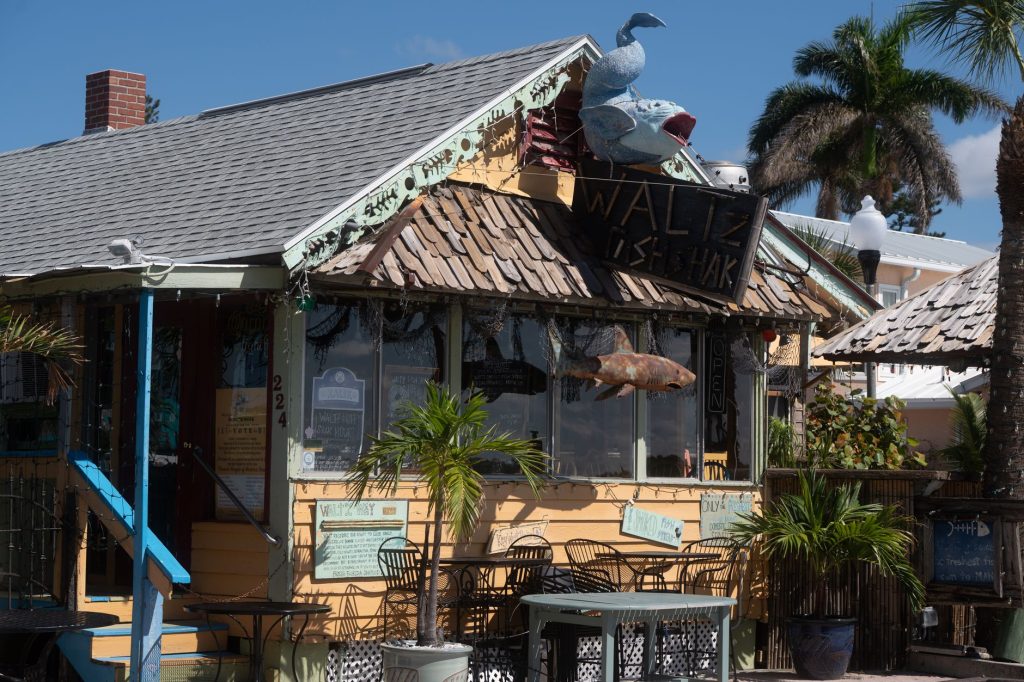
That’s kind of the whole deal with Northwood. The neighborhood sits about a mile north of downtown West Palm Beach, straddling North Dixie Highway between 25th and 30th Streets, and it doesn’t announce itself. There’s no big sign, no valet stand, no Instagram installation to queue up for. What there is: a long, walkable strip of mid-century storefronts, converted bungalows, and low-slung buildings that have been slowly, thoughtfully claimed by artists, vintage dealers, boutique owners, and the kinds of restaurateurs who actually care what they put on the plate.
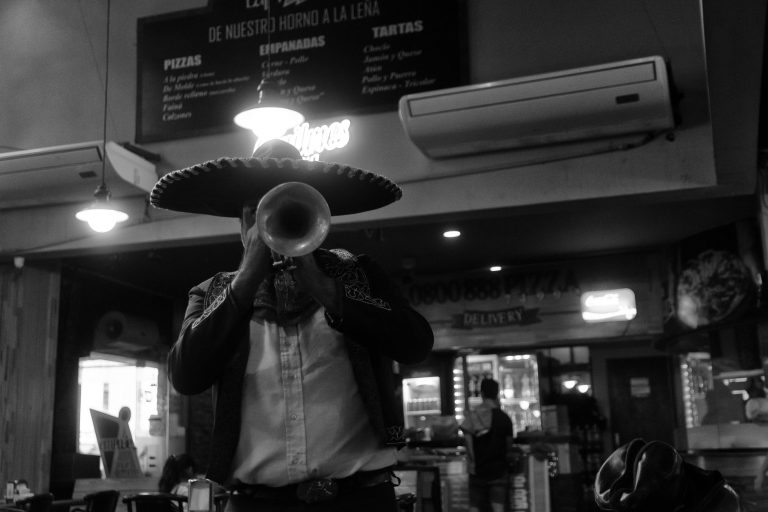
On weekends the neighborhood runs what locals call the Northwood Village Street Faire — a rotating outdoor market that takes over the block roughly every third Saturday, October through April. Local vendors set up under tents, live music drifts out of whatever bar has its doors propped open, and the whole thing feels genuinely casual in a way that curated markets in trendier zip codes can’t quite pull off. There’s no admission, no wristband, no cover. You just show up.
Even on a regular weekday, the block rewards wandering. Hit Trendz, a resale boutique crammed with vintage furniture and oddball décor, and you’ll understand why serious thrifters drive from Boca. Across the street, the Subculture sibling café keeps the coffee sharp. A few doors down, Ginger Asian Cuisine does serious Thai and Vietnamese at prices that feel almost apologetic given the quality — the pad see ew is worth the trip on its own.
What I keep coming back to, though, is the gallery scene. Northwood has quietly accumulated more working artists per block than anywhere else in the county. Spaces like the Studios at Northwood and a handful of independent galleries rotate shows regularly, and on the right Friday evening — they do gallery walks a few times a year — you can move between studios with a plastic cup of wine while the artists are actually there, actually talking. No velvet rope, no auction-house energy. Someone might show you the back room.
The architecture is part of it too. These aren’t renovated warehouse lofts or fake-historic infill — they’re the real postwar Florida commercial vernacular, terrazzo floors and jalousie windows and the occasional neon sign still working from 1962. The bones of the neighborhood are intact in a way that most of South Florida has long since paved over.
Parking is free and easy along the side streets, which is a small but real pleasure when you’ve spent any time in downtown WPB. Budget for a couple of hours minimum if you’re doing it right: coffee, a gallery or two, lunch, maybe a detour into one of the antique shops you swore you’d only spend ten minutes in. Restaurants in the neighborhood run mid-range — you won’t drop $200 a head, and you won’t eat badly either.
Northwood isn’t trying to compete with Clematis Street or Rosemary Square. It’s doing something quieter and, honestly, more interesting: staying weird, staying local, and not particularly caring if you notice.