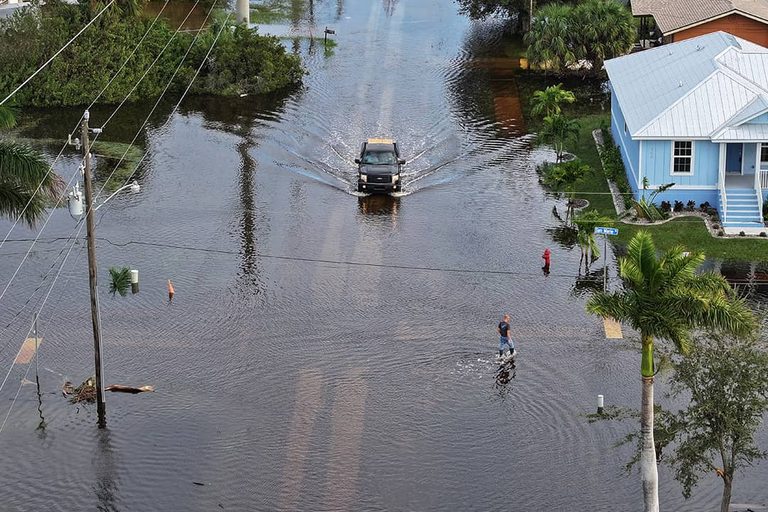
When Hurricane Milton struck near Siesta Key, Florida in early October 2024, the storm unleashed more than wind and rain. The flooding swept through 5.7 million acres of agricultural land, moving livestock manure and its hidden danger—antibiotic‑resistant genes—into rivers, creeks and coastal waters.
Scientists link extreme weather to rising resistance
Chamteut Oh, an assistant professor at the University of Florida, has been studying how microbes travel in the environment. His team collected water samples at 30 sites along the Gulf Coast from one week to seven months after the hurricane. The analysis showed that inland bacteria carrying resistance genes were transported to coastal areas, where they persisted on particles such as microplastics for weeks.
Antimicrobial‑resistant infections claim 1.27 million lives worldwide each year, and more than 35,000 deaths occur annually in the United States. Manure from factory farms is a major source of these genes because antibiotics are routinely given to both sick and healthy livestock to prevent disease. When the animals excrete the drugs, the antibiotics and resistance genes enter the environment.
Climate change amplifies the threat
Sid Thakur, a veterinarian and director of the Global One Health Academy at North Carolina State University, warned that a warming climate is increasing the frequency and intensity of hurricanes and droughts—both of which can spread resistance. A 2025 study linked a 10 % global rise in resistance genes in salmonella to climate change, and a 2026 study found that drought concentrates natural antibiotics in soil, creating selection pressure that favors resistant bacteria.
Florida’s crowded factory farms, where the sale of medically important antibiotics rose 16 % from 2023 to 2024, provide a perfect breeding ground for resistant microbes. Floodwaters can overwhelm municipal water‑treatment plants, allowing untreated or partially treated water to flow into homes and drinking supplies.
Public‑health implications for local communities
James Tiedje, a microbiologist at Michigan State University, noted that downstream communities relying on river water for drinking may face higher infection risk after such events. While chlorination can normally reduce microbial threats, severe storms can bypass treatment systems, leaving residents exposed.
The research underscores the need to curb unnecessary antibiotic use in agriculture and to strengthen water‑infrastructure resilience. As extreme weather becomes more common, protecting both human health and the environment will require coordinated action from farmers, policymakers and local officials.
Original reporting: KEYT (Ventura/Santa Barbara) — read the source article.