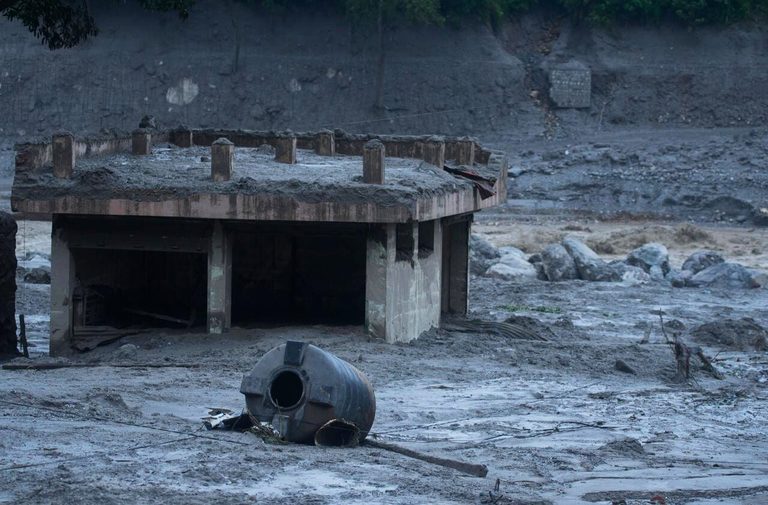
Rescue teams continue searching for hundreds of people missing along the Nepal‑China border after a massive glacier collapse triggered catastrophic floods on Wednesday. More than 300 people have died and over 1,400 remain missing.
Emergency response on the ground
The Nepalese army is deploying helicopters to reach isolated communities as washed‑out roads and bridges block ground access. Direct Relief, a nonprofit that provides medicines and health supplies to disaster‑stricken areas, had already pre‑positioned emergency stock in Nepal for the monsoon season, allowing it to act quickly.
“Nepal is a very disaster‑prone country,” said Dan Hovey, vice president of emergency response at Direct Relief. “On the disaster vulnerability indexes, it’s one of the highest – from earthquakes, floods, drought, wildfires.” He added that the organization is preparing additional shipments and expects a long recovery process.
What donors can do
Humanitarian groups say cash donations are currently the most needed resource, giving local agencies flexibility to address immediate needs such as search and rescue, shelter, food, and medical care.
U.S.‑based organizations already operating in Nepal include:
- All Hands & Hearts – providing emergency relief and planning to rebuild schools and homes.
- Catholic Relief Services – partnering with Caritas Nepal to deliver aid and social services while deploying its own teams.
- Global Giving – launching a Nepal Flood Relief Fund aiming to raise $1.5 million for flexible funding, infrastructure rebuilding, and other recovery projects.
- Humanity & Inclusion – distributing emergency supplies and offering rehabilitation support in local hospitals.
- Save the Children – delivering cooking kits, mosquito nets, and blankets to 1,000 households and coordinating with authorities to scale the response.
- World Central Kitchen – feeding affected families through local partners and expanding its distribution network.
These organizations rely on public generosity to sustain their efforts in the coming months.
Looking ahead
With roads and bridges still damaged, the recovery will be a prolonged effort requiring continued support from both international partners and individual donors. Those wishing to help are encouraged to contribute cash donations directly to the listed nonprofits, ensuring that aid reaches the most vulnerable families as quickly as possible.
Original reporting: KTBS 3 (Shreveport) — read the source article.