If you’ve never switched natural gas suppliers, the process may seem daunting. Rest assured, it’s a paperwork and billing change only—your utility still owns the pipelines, responds to leaks, and delivers gas as before. The only difference is who you pay for the commodity.
Step 1: Compare Rates
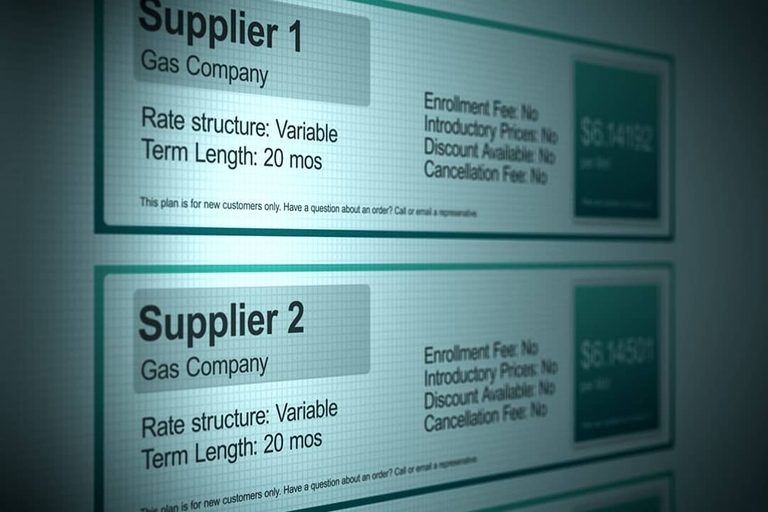
Regulated utilities publish a default supply rate, often called the “price to compare.” This is the rate you’re paying if you haven’t chosen a supplier. Any new offer must beat or justify itself against this baseline. Check your current utility bill or the provider’s rate page to know your starting point.
Step 2: Enroll with a New Supplier
Once you select a plan, enrollment usually takes only a few minutes. You’ll provide your utility account number and basic contact information. Most suppliers confirm enrollment via a follow‑up call or written notice, creating a clear record of your agreement.
Step 3: Utility Processes the Switch
After you enroll, the utility handles the administrative side. It notifies your former supplier, updates its records, and schedules the change to align with your next regular meter‑reading cycle. This typically occurs within one to two billing cycles.
Step 4: No Changes at the Meter
There is no service interruption, no technician visit, and no alteration to your equipment or gas pressure. The utility continues to own the pipeline, read the meter, and respond to emergencies. Switching only changes who bills you for the gas commodity.
Step 5: Billing Adjustments
In most cases, the supply charge appears as a line item on your regular utility bill, so you won’t juggle separate bills. Some suppliers may bill separately; any such arrangement is disclosed clearly at enrollment.
Step 6: Your New Rate Takes Effect
When the switch becomes active, your bill reflects the new supply rate. A fixed‑rate plan locks in the price for the term’s length, while a variable‑rate plan can fluctuate month to month with market conditions.
Common Questions
- Will my gas be shut off? No. There is no physical interruption at any point.
- Will I be double‑billed? No. The old supplier’s charges stop and the new supplier’s charges start on the effective date.
- Can I change my mind? Most plans include a rescission period during which you can cancel without penalty; check your contract for details.
- Will the utility be upset? State deregulation laws require utilities to remain neutral; your relationship with them for delivery and safety remains unchanged.
This guide was produced by Shipley Energy and reviewed by Stacker.
Original reporting: KEYT (Ventura/Santa Barbara) — read the source article.