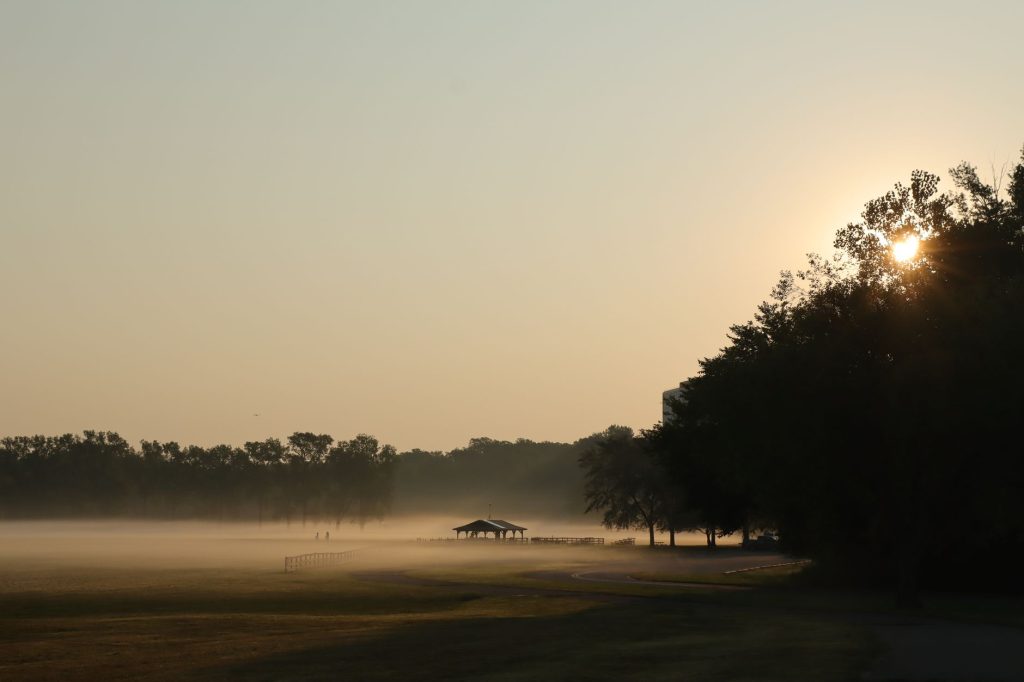
There is a moment, somewhere around the final stretch of the Katy Trail as it winds its way toward the St. Louis metropolitan area, when the Missouri River bluffs open up and the skyline begins to emerge through the tree line. Your legs are warm, the gravel hums beneath your tires, and you realize you have just experienced one of the finest recreational corridors in the entire country — and it ends, conveniently, almost at your doorstep.
The Katy Trail State Park is the longest developed rail-trail in the United States, stretching 240 miles across Missouri along the bed of the old Missouri-Kansas-Texas Railroad. But for St. Louis visitors and locals alike, the eastern terminus near Machens — accessible via connecting routes through St. Charles and the Frontier Park trailhead — offers something truly rare: a world-class cycling and walking trail that deposits you into the story of the American frontier, then sends you back to a cold beer in a river town before dinner.
Most people who ride the Katy do it in sections, and that is exactly the right approach. A favorite stretch for a day trip starts at the well-maintained trailhead in St. Charles, just across the Missouri River from St. Louis, about thirty minutes from downtown. The town itself is worth an hour of your time — Main Street St. Charles is lined with brick storefronts, independent shops, and patio restaurants that are perfectly positioned for a pre-ride breakfast or a post-ride reward. Park the car, clip in, and head west along the river.
The surface is compacted limestone screenings, which is firm enough for road bikes with slightly wider tires and ideal for hybrid or gravel bikes. It is largely flat with gentle grades, which makes it genuinely accessible for riders of all fitness levels. Families with kids in tow, serious cyclists logging miles, retirees out for a weekend pedal — everyone shares the trail with a kind of easy, unhurried camaraderie that you rarely find in a city park.
What makes the Katy feel different from a simple bike path is the sheer scale of the landscape around it. You pass through river bottomland forest, exposed limestone bluffs, quiet farm fields, and tiny Missouri towns that still have grain elevators and front-porch cafes. In spring, the wildflowers are relentless. In fall, the cottonwoods and sycamores put on a display that rivals anything in New England. In summer, the shade canopy keeps the trail cool even on hot afternoons.
If you want to extend the adventure, the trail connects seamlessly with the streets of St. Charles and, via the Boone’s Lick Road corridor, into the broader St. Louis cycling network. Several outfitters near the trailhead rent bikes by the hour or day, so there is genuinely no barrier to entry. You do not need to own a bicycle or arrive with gear. You just need to show up.
Plan your visit around a weekday morning if you prefer a quieter experience, or embrace the weekend energy when the trail buzzes with riders and the Main Street patios fill up by noon. Either way, the Katy Trail delivers something that no museum or restaurant quite can — the feeling of having moved through the landscape under your own power, connected to a piece of American history that stretches all the way to Kansas City and back.
St. Louis is full of excellent reasons to stay indoors. The Katy Trail is the best reason to step outside.