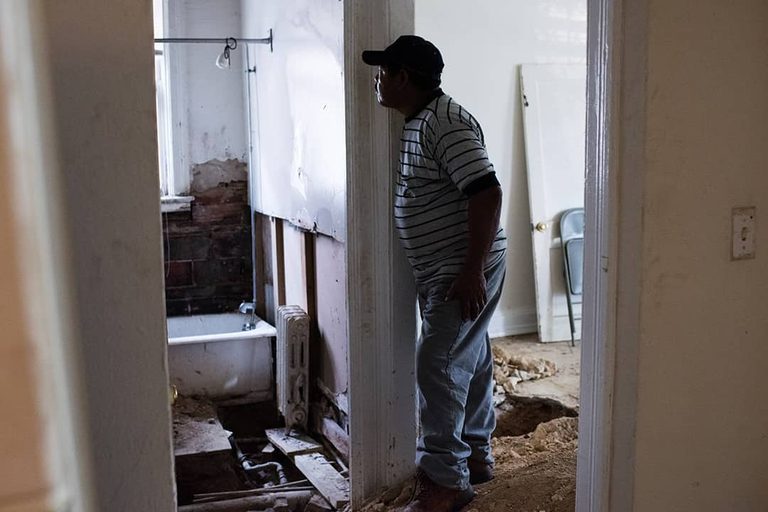
Across the United States, renters are increasingly encountering landlords who neglect basic habitability standards. While the term “slumlord” is not a legal definition, it describes property owners whose repeated failures to maintain safe, livable housing can lead to code citations, civil suits, and even criminal charges. Understanding the warning signs and knowing how to report violations can help families safeguard their homes and preserve neighborhood values.
Key Habitability Requirements
Every state imposes a “warranty of habitability,” obligating landlords to provide essential health and safety features such as working heat, plumbing, electricity, and structural integrity. Some states also address less‑clear hazards like invasive black mold. When a landlord consistently ignores repair requests or rents units that fall short of these standards, the property may cross the line into exploitative territory.
Red Flags to Watch For
- Repeatedly ignored repair requests for critical issues such as broken heating, exposed wiring, or pest infestations.
- Self‑help evictions, refusal to return security deposits, or retaliation against tenants who report problems.
- Evidence of severe structural problems—collapsed ceilings, roof leaks, or missing utilities.
- Multiple code‑violation notices on public portals for the same address.
These behaviors often appear together, indicating a pattern of neglect rather than an isolated oversight.
Real‑World Examples
Recent court cases illustrate the consequences of landlord negligence. In Columbus, Ohio, a judge ordered a property owner to serve the remaining 175 days of a jail sentence after violations at 17 properties, including units without heat or electricity, were documented. In Washington, D.C., a landlord was ordered to refund $1.5 million in rent to over 100 tenants and pay $5 million in civil penalties for more than 1,400 code violations. A Nevada jury awarded a family $6.6 million after a ceiling collapsed in an apartment where the management company had ignored dozens of leak and mold complaints.
Steps for Tenants Facing Unsafe Conditions
- Check Local Code‑Violation Records. Many cities maintain online portals where you can search an address for past or pending citations.
- Document Everything. Keep written logs of repair requests, take photographs of the issues, and note response times.
- Report Through Official Channels. Contact the appropriate state or local housing agency. Tenants in HUD‑insured buildings can also call the Multifamily Housing Complaint Line.
- Consider Legal Remedies. Some states, such as California, allow tenants to repair and deduct the cost from rent up to a limited amount. Other jurisdictions treat nonpayment as grounds for eviction, so review local laws before withholding rent.
While withholding rent may feel like a quick solution, it can expose tenants to eviction and further legal complications. Understanding the specific remedies available in your state is essential.
Why This Matters to Families and Communities
Neglected properties pose health risks—exposure to mold, pests, and unsafe temperatures can endanger children and the elderly. They also depress surrounding home values, reduce tax revenue, and increase municipal costs for emergency services and demolition. A 2022 study in Baltimore estimated the city’s annual expense for handling vacant and deteriorating properties at $100 million.
For property owners, persistent neglect leads to fines, civil judgments, and potential criminal prosecution, which can erode the value of their investment and create larger repair bills down the road.
Balancing Intentional Neglect and Financial Strain
Not every habitability issue stems from malicious intent. Some landlords face cash flow challenges or lack knowledge about maintenance requirements. However, even financial hardship does not excuse failure to address health‑and‑safety hazards. Tenants should seek assistance from local housing agencies, which may offer mediation or resources to help landlords meet their obligations.
By staying informed, documenting problems, and using the proper reporting channels, renters can protect their families, uphold community standards, and hold negligent landlords accountable.
Original reporting: El Paso News (HLL/CB) — read the source article.