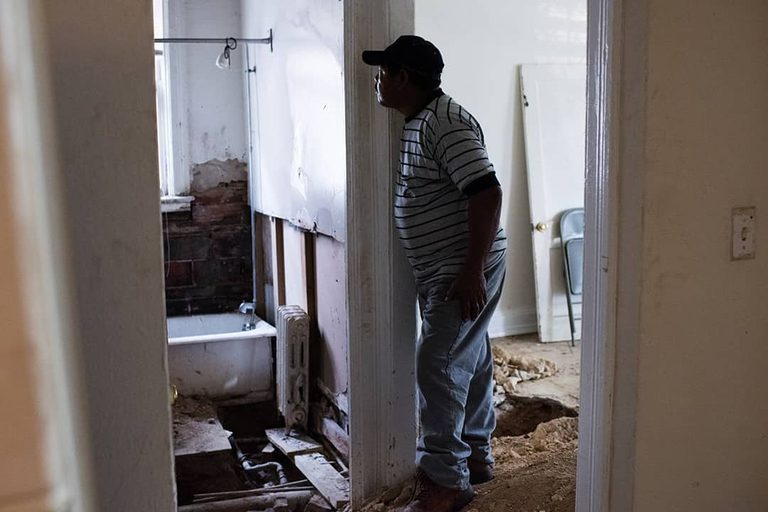
Whether you are searching for your first apartment or renewing a lease, understanding the warning signs of an exploitative landlord can save you from unsafe living conditions and costly disputes. While the term “slumlord” is not a legal definition, it commonly describes a property owner who repeatedly neglects basic habitability standards, endangering tenants.
What the law requires
Every state imposes a “warranty of habitability,” obligating landlords to provide essential health and safety services such as working heat, plumbing, electricity, and a structurally sound building. Some states also address more subtle hazards, like invasive black mold, that can threaten occupants’ health.
Red flags to watch for
- Repeated repair delays – A landlord who consistently ignores repair requests or takes an unreasonable amount of time to address problems may be crossing the line from occasional oversight to neglect.
- Unsafe conditions – Broken heating, exposed wiring, pest infestations, or water leaks that lead to mold are clear indicators of a property that fails habitability standards.
- Self‑help evictions – Changing locks, shutting off utilities, or otherwise forcing a tenant out without a court order is illegal and often accompanies broader neglect.
- Security‑deposit disputes – Refusing to return a deposit without legitimate deductions, or withholding it as retaliation, signals a landlord who may not respect tenant rights.
- Retaliation – Threatening or penalizing tenants who report problems is a serious violation of tenant‑protection laws.
Research before you sign
Before committing to a lease, check your city’s code‑violation portal or conduct a simple Google search for the address. Many municipalities maintain online databases that list past citations for issues such as broken plumbing, mold, or structural failures. This quick step can reveal patterns of neglect that are not obvious during a showing.
Real‑world consequences for negligent landlords
Recent court cases illustrate the severe penalties landlords can face when they ignore habitability standards:
- A Columbus, Ohio landlord was ordered to serve 175 days in jail after a judge found him repeatedly violating health‑code standards across 17 properties.
- In Washington, D.C., a landlord was ordered to refund $1.5 million in rent to over 100 tenants and pay $5 million in civil penalties for widespread code violations, including mold and fire hazards.
- A Nevada jury awarded a family $6.6 million after a ceiling collapsed in an apartment where the management company had ignored dozens of leak and mold complaints.
- Two Minneapolis landlords lost licenses for more than 60 buildings after tenants reported rats, bedbugs, broken heat, and faulty plumbing for years.
These outcomes demonstrate that neglect can lead to criminal charges, massive civil judgments, and the loss of the ability to own or manage rental properties.
Steps to protect yourself
- Report the problem – Use the appropriate local or state agency to file a complaint. Tenants in HUD‑insured buildings can also call the Multifamily Housing Complaint Line.
- Document everything – Keep written records of repair requests, take photos of the issue, and note response times.
- Consider repair‑and‑deduct options – Some states, such as California, allow tenants to make necessary repairs and deduct the cost from one month’s rent, twice per year. Other states treat nonpayment as grounds for eviction, so understand your local laws before withholding rent.
- Know the health impact – Unaddressed mold, pests, or faulty heating can cause respiratory problems, allergies, and mental stress. Prompt action protects both your health and your belongings.
- Understand community effects – Neglected rentals can depress surrounding property values, increase municipal costs for emergency services, and burden taxpayers with demolition or remediation expenses.
When neglect is accidental
Not every habitability issue stems from malicious intent. Landlords facing financial strain or lacking knowledge may fall behind on maintenance. Tenants should still follow the reporting and documentation steps above, as the law requires timely repairs regardless of the landlord’s motivation.
By staying vigilant, researching property histories, and using the proper reporting channels, renters can safeguard their homes, health, and finances while holding landlords accountable for the safe, habitable housing that families deserve.
Original reporting: KEYT (Ventura/Santa Barbara) — read the source article.