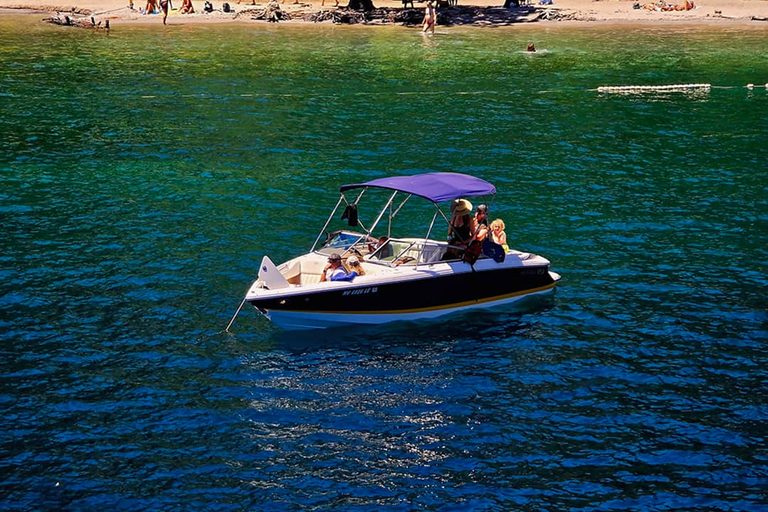
Bowrider boats are popular for their open‑bow seating, spacious cockpit and versatility—from watersports to relaxed cruising. With many hull designs, engine options and luxury upgrades on the market, first‑time buyers can feel overwhelmed. This guide helps you focus on the factors that matter most for your family’s needs, budget and preferred boating activities.
Who Will Be On Board?
Consider the typical number of passengers. Bowriders seat anywhere from six to 19 people, with larger models offering even more space. Families with young children benefit from secure seating and easy access to the swim platform, while groups of adult friends may prefer lounge‑style seating and premium amenities. Matching the boat’s capacity to your usual outings ensures comfort and safety.
Primary Activities
Identify the main purpose of your outings. If watersports dominate, look for tow towers, reinforced tow points and ample storage for skis, wakeboards and tubes, plus a swim platform with a ladder. For entertaining, prioritize well‑designed seating, built‑in coolers, quality sound systems and shaded areas. Anglers should check for rod storage and clear casting space without compromising social zones. Knowing your priorities helps you weigh trade‑offs between models.
Typical Water Conditions
The type of water you frequent influences hull choice. Shallow rivers or coastal areas with sandbars require a shallow draft and propeller protection, while open‑water cruising benefits from a hull that offers stability at higher speeds. Choose a hull that aligns with the depth and wave conditions you’ll encounter most often.
Storage Realities
Before falling in love with a particular boat, assess where it will be stored between trips. A 26‑foot bowrider may be perfect on the water, but if you cannot tow it or afford slip fees, it may not be practical. Knowing your storage constraints early narrows the field to realistic options.
Size, Layout and Zoning
Bowrider layouts are typically divided into three zones: the bow social area with wrap‑around seating, the helm and cockpit operational zone, and the stern/swim‑platform activity zone. Evaluate how each zone supports your primary activities. Watersport enthusiasts need easy swim‑platform access, while those focused on cruising and entertaining should look for a natural flow between bow seating and cockpit.
Seating, Storage and Cockpit Comfort
Comfortable seating, ample storage and a well‑designed cockpit are essential. Look for ergonomic seats, secure storage compartments for gear and a cockpit layout that allows the captain clear visibility while keeping passengers comfortable.
Engine Configuration
Bowriders offer outboard or sterndrive options. Outboards provide easier maintenance and more interior space, while sterndrives deliver a sleek profile and distinct handling characteristics. Many modern models offer both, giving you flexibility to choose what best fits your boating style.
Luxury and Technology Upgrades
Higher‑end bowriders add premium finishes, leather upholstery, and advanced technology. Touch‑screen helm displays can integrate navigation, sound and engine controls. Entertainment upgrades such as built‑in coolers, wet bars, and strategically placed cup holders enhance the onboard experience. Watersport‑focused upgrades include taller tow towers with integrated speakers and lighting.
Red Flags to Watch During Inspection
When inspecting a new or pre‑owned bowrider, look for signs of wear or damage: soft spots in the hull, corrosion on metal fittings, and mismatched paint. Test‑drive the boat to assess acceleration, handling and noise levels. Review maintenance records carefully; consistent documentation indicates diligent ownership, while missing paperwork may signal hidden issues. Avoid vessels with salvage titles, as they often carry significant underlying problems.
Final Checklist
- Define passenger capacity and family needs.
- Prioritize primary activities (watersports, cruising, entertaining, fishing).
- Match hull type to typical water depth and conditions.
- Confirm storage options and associated costs.
- Choose engine configuration that fits maintenance preferences.
- Consider luxury and tech upgrades that align with your lifestyle.
- Inspect for red‑flag signs and verify complete maintenance records.
By clarifying your needs and systematically evaluating each feature, you can select a bowrider that provides safe, enjoyable and lasting value for your family’s time on the water.
Original reporting: KEYT (Ventura/Santa Barbara) — read the source article.