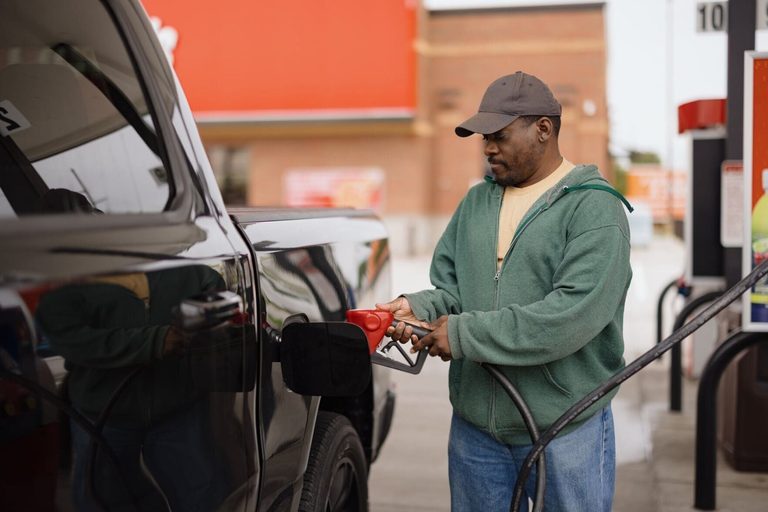
Many families wonder whether taking the time to shop around for gasoline actually makes a difference. The answer is yes—especially for drivers who fill up regularly. By using price‑comparison apps such as GasBuddy or Upside, you can locate the lowest‑priced stations nearby and take advantage of any cash‑back offers.
Saving on Fuel
Even a modest difference of 10 to 20 cents per gallon adds up over time. For a driver who spends about $50 a week on fuel, a 15‑cent saving per gallon could mean roughly $10 less each week, or over $500 in a year. Signing up for gas‑station loyalty programs or using a credit card that rewards fuel purchases can further reduce costs.
Beyond price hunting, driving habits affect mileage. Rapid acceleration, hard braking, and carrying heavy items in the trunk all increase fuel consumption. Regular vehicle maintenance—such as timely oil changes and tire inflation—helps keep the engine running efficiently.
Do You Need a Budget?
While a budget isn’t a basic necessity like food or shelter, it can provide valuable guidance for managing money. Simple approaches, such as the 50/30/20 rule (50% of take‑home pay for needs, 30% for wants, 20% for debt repayment and savings), give a clear picture of where earnings are allocated. Some people adjust the percentages to fit their circumstances, for example a 60/20/20 split.
Recent data shows that 83% of Americans are paying closer attention to their spending because of rising prices, and 73% say they are tracking expenses more closely after realizing they were overspending. Setting a budget can help families stay in control of their finances during these inflationary times.
What Is “Loud Budgeting”?
“Loud budgeting” simply means speaking openly about financial goals with friends and family. Sharing that you’re skipping a pricey dinner to save for a home or to pay down credit‑card debt can keep you accountable and may encourage others to share their own saving strategies.
This practice can reduce the shame some feel when declining social invitations for financial reasons. It also opens the door for supportive ideas—potluck gatherings, game nights, or stay‑cation activities—that strengthen relationships while saving money. However, it’s wise to keep sensitive details, such as exact income or debt amounts, private.
Overall, being transparent about your money goals can foster a community of mutual encouragement, especially when everyday costs are climbing.
Original reporting: KTBS 3 (Shreveport) — read the source article.