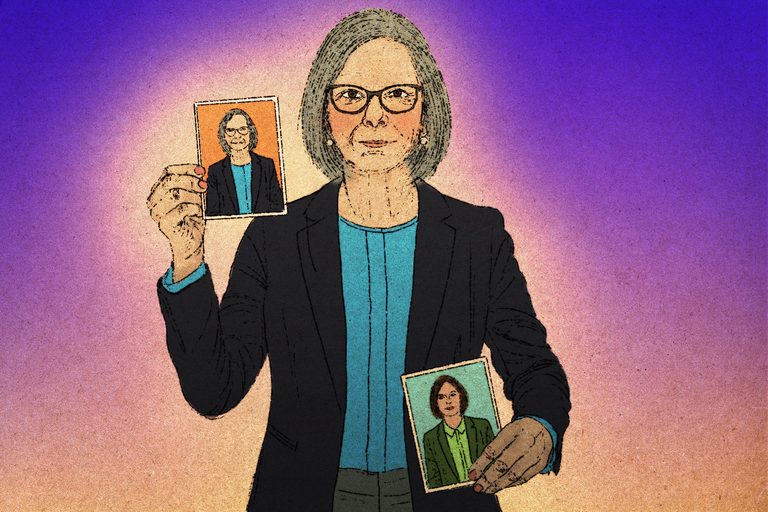
In today’s job market, a professional headshot is often the first visual introduction to potential employers, collaborators, or clients. It functions like a virtual handshake, forming an instant impression that can linger long after the initial contact.
Why Authenticity Matters
Freelance journalist Philip Eil recently worked with a photographer in Providence, Rhode Island, to capture images for his true‑crime book launch. He described the experience as “emotion‑wrapped,” noting that the photos helped him put a face to the story he’d spent a decade developing. The lesson? A headshot should feel authentic and align with the environment you love.
First‑Impression Science
Houston‑based photographer Chris Gillett, a former attorney, explains that research shows first impressions are formed instantly and tend to stick. Even a millimeter shift in a smile or eyebrow can change how you’re perceived. A genuine smile and confident eyes convey trust, while the composition should keep the face as the focal point—classic head‑and‑shoulders shots work best.
When to Update Your Photo
There’s no strict rule for how often to refresh a headshot, but it should always resemble how you look now. A noticeable mismatch can erode trust with colleagues or clients.
Avoid Over‑Editing
Emily Lauro, area director for Goodwin Recruiting, warns that heavily edited images can appear inauthentic. “Look like you on your best professional day, not a completely different person,” she says. The goal is a true likeness, not a photogenic ideal.
Tailor the Image to Your Profession
Different careers benefit from different visual cues. A startup founder might emphasize energy and innovation, while a financial adviser may aim for trustworthiness and reliability.
Headshots on Resumes and Social Media
Goodwin Recruiting’s director of marketing, Jenny Battershell, advises against placing a photo on a resume. Automated applicant‑tracking systems often ignore images, and a picture can unintentionally introduce bias. On platforms like LinkedIn, a well‑chosen headshot can still be valuable, but the absence of a photo shouldn’t disqualify a qualified candidate.
Cost‑Effective Options
Artificial‑intelligence tools such as ChatGPT or HeadshotPro can turn a selfie into a headshot for as little as $29, producing dozens of variations. While affordable, Gillett notes that the confidence gained from learning to pose in front of a camera is priceless. AI‑generated images can look “uncanny” and lack the personal memories tied to a professional shoot.
Finding a Photographer on a Budget
If cost is a concern, consider hiring a photography student, a friend with a decent camera, or looking for free headshot sessions offered at conferences. The personal touch of a local photographer often yields a more genuine result.
Key Takeaways
- Choose a classic head‑and‑shoulders composition.
- Keep the expression authentic; a natural smile works best.
- Update the photo when your appearance changes noticeably.
- Avoid heavy retouching that masks your true likeness.
- Match the style of the headshot to your professional field.
Original reporting: Alexandria, VA News – WTOP News — read the source article.