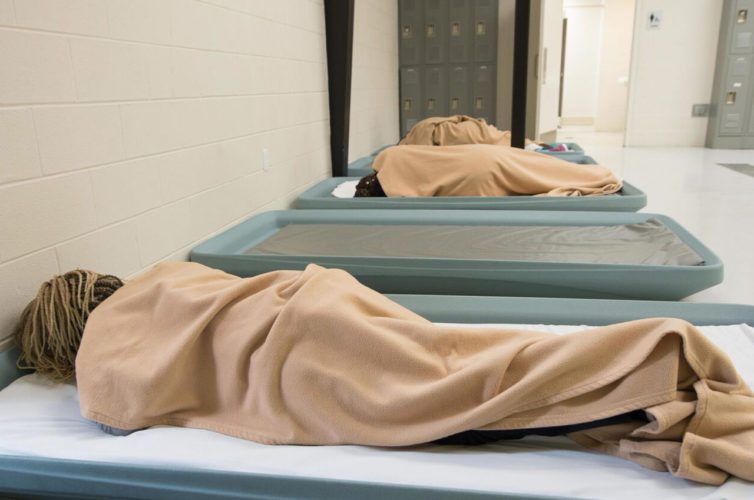
Houston City Council took decisive action on Sept. 23, authorizing $667,540 from the city’s End Street Homelessness budget to strengthen the Houston Recovery Center. The funding will expand the center’s capacity to serve up to 600 homeless individuals annually, providing round‑the‑clock shelter, mental‑health treatment, substance‑use care, immediate medical attention, case management, and pathways to stable housing.
Key components of the expanded program
- 24/7 operations: The center will maintain 34 beds available at all hours for people experiencing homelessness.
- Mental‑health services: Licensed counselors and therapists will address anxiety, depression, trauma and other conditions that often accompany housing instability.
- Medical care: On‑site clinicians will treat urgent health concerns, reducing emergency‑room visits and improving overall wellness.
- Substance‑use treatment: Evidence‑based programs will help participants overcome addiction and begin recovery.
- Case management and housing navigation: Dedicated staff will connect clients with resources, assist with paperwork, and guide them toward permanent, affordable housing.
District C council member Joe Panzarella emphasized the ordinance’s focus on treating homelessness as a housing issue rather than a criminal one. “A lot of times we talk about how homelessness is a housing issue and not a criminal issue, and this is an ordinance that is hoping to solve just that,” he said.
Background and timeline
The original agreement with the Houston Recovery Center began in August 2025, providing a pilot level of support. The new amendment extends the partnership through Sept. 2027, allowing the city to build on early successes and address ongoing demand for comprehensive services.
City officials noted that the End Street Homelessness fund, created to combat chronic homelessness, is designed to be flexible and responsive. By directing a portion of those resources to a proven service provider, the council aims to reduce the number of individuals sleeping on the streets and improve public health outcomes.
Community impact
Local advocates praised the decision, citing the center’s track record of helping participants transition to stable housing. “This funding means more families can get the help they need before they fall into a cycle of crisis,” said Maria Gonzales, director of a nearby nonprofit that collaborates with the Recovery Center.
Critics, primarily from a small group of property‑rights activists, expressed concern that the allocation could divert funds from other city priorities. Council member Panzarella responded that the investment is a targeted, data‑driven effort that complements broader public‑safety and economic‑development goals.
Looking ahead
The council will monitor the program’s outcomes through quarterly reports, measuring metrics such as bed occupancy, successful housing placements, and reductions in emergency‑room visits. If the data show continued progress, officials say they may consider expanding similar models to other neighborhoods.
Overall, the funding decision reflects Houston’s commitment to compassionate, faith‑aligned solutions that uphold the dignity of every resident while strengthening families and neighborhoods.
Original reporting: Community Impact — Houston — read the source article.