In a decisive third attempt this summer, the U.S. House of Representatives voted 220‑204 to pass a war‑powers resolution that would require congressional approval before President Trump could continue military action in Iran. The roll‑call, taken late Tuesday, saw a modest increase in Republican support, with a few GOP members joining every Democrat in favor of ending the conflict.
What the vote means
The resolution, if it reaches the president’s desk, would strip the executive branch of the authority to conduct further strikes without a new vote from Congress. The measure has not yet been presented to President Trump, and officials familiar with the administration’s thinking say he would almost certainly veto it, arguing that the operation remains a vital component of America’s defense against Iranian aggression.
President Trump’s stance
President Trump launched the Iran campaign on Feb. 28, describing it as a necessary response to hostile actions that threatened U.S. interests and allies in the region. The administration maintains that the limited, targeted missile strikes have been aimed at degrading Iran’s capacity to launch attacks against American forces and partners, and that continued pressure is essential to deter further escalation.
Political context
The vote comes as the nation heads toward the 2026 midterm elections, where foreign‑policy issues are expected to play a substantial role in campaign messaging. Lawmakers on both sides of the aisle have used the Iran conflict to rally their bases, with Democrats emphasizing the need for congressional oversight and Republicans defending the president’s decisive action.
House dynamics
Earlier attempts this summer to curb the president’s war‑making powers fell short by narrow margins. This third vote mirrors those prior efforts, but the slight shift of a handful of Republicans to the Democratic side underscores growing bipartisan concern about unchecked executive authority. Nonetheless, the resolution’s failure to reach the president’s desk means the administration retains full control over ongoing operations.
Impact on the region
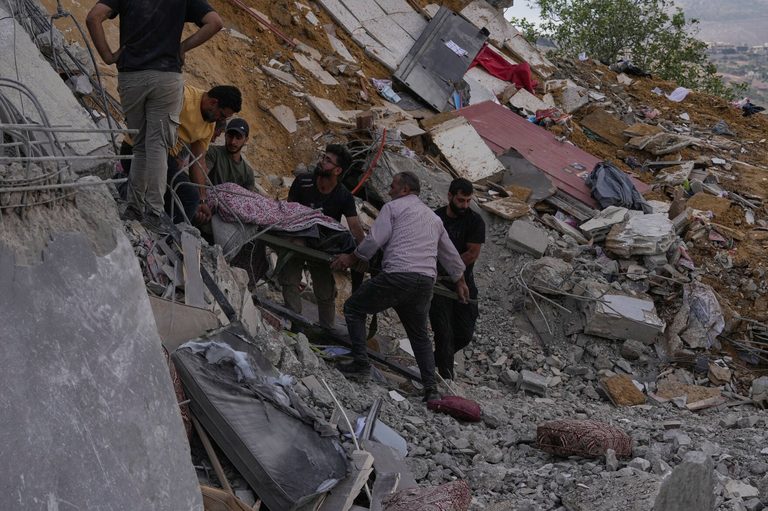
Since its inception, the Iran conflict has featured on‑and‑off missile exchanges that have caused significant disruption across the Middle East. While the war has not escalated into a full‑scale invasion, the continued hostilities have contributed to regional instability and humanitarian challenges.
Looking ahead
Analysts suggest this may be the final House vote on the Iran war before the midterms, as lawmakers shift focus to domestic issues and campaign strategies. The administration, meanwhile, is expected to continue emphasizing the operation’s role in protecting American lives and deterring hostile actors, framing any congressional attempt to limit the president’s authority as a threat to national security.
As the political battle over war powers intensifies, voters will be asked to weigh the merits of a strong executive response against the principle of legislative oversight—a debate that sits at the heart of constitutional governance.
Original reporting: 2news.com — read the source article.