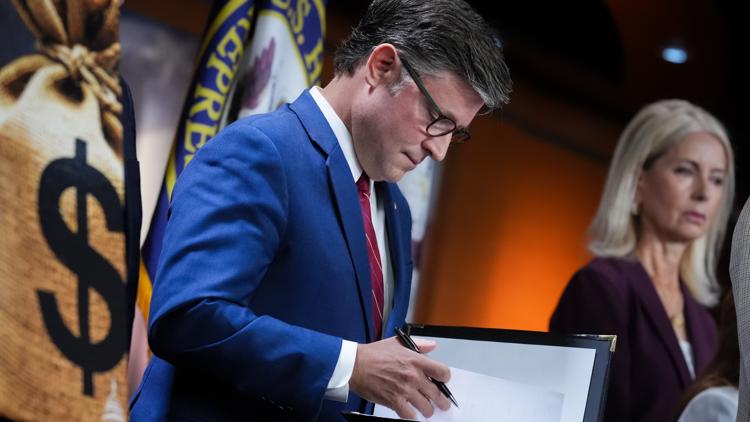
The U.S. House of Representatives has passed a war powers resolution aimed at halting military action against Iran, marking a significant political move against President Donald Trump’s administration. The resolution saw support from both Democrats and a few Republicans, reflecting growing discontent with the ongoing conflict.
Political Dynamics and Local Impact
House Speaker Mike Johnson had previously attempted to prevent the resolution’s passage, but mounting opposition and public dissatisfaction have made it increasingly difficult to ignore. The final vote was 215-208, with the resolution passing amid cheers in the House chamber.
House Democratic Leader Hakeem Jeffries emphasized the financial and strategic costs of the war, which has exceeded $100 billion and strained the U.S.’s global position. This marks the fourth attempt by the House to curtail the U.S. military campaign against Iran, with this being the first successful passage.
Senate and Executive Branch Tensions
The Senate had previously advanced its own version of the war powers resolution, with a few Republican senators breaking ranks to support it. The resolution now awaits further action in the Senate, where a final vote is pending.
Secretary of State Marco Rubio expressed concerns that passing the resolution might embolden Iran, suggesting it could limit the administration’s ability to negotiate effectively. The constitutional debate over war powers continues, as Congress and the President navigate their respective roles in military decision-making.
Broader Legislative Context
In addition to the Iran resolution, the House is considering other national security measures, including support for Ukraine’s military efforts against Russia and a resolution to block U.S. military action in Lebanon. These efforts highlight the broader legislative push to reassess U.S. military engagements abroad.
The ongoing conflict has also had economic repercussions, notably affecting gas prices due to disruptions in the Strait of Hormuz, a crucial channel for global oil and gas shipments. Efforts to stabilize the region and reopen the strait for commerce remain a priority for the administration.
Original reporting: KING5 Seattle — read the source article.