County council meetings, job sites and kitchen tables across the Grand Strand are now focused on a new concern: what will happen to the thousands of illegal immigrant workers who built the boom‑time homes and keep hotels running?
Population estimates and labor dependence
Official counts put the foreign‑born population of Horry County at roughly 29,600 people, or about 7.2% of residents, according to Census Reporter. A separate estimate from Data USA lists 25,600 foreign‑born residents, or 6.7%. Local outlets have reported higher ranges—30,000 to 60,000—acknowledging that household surveys often miss those who fear government questionnaires.
Research from the South Carolina Commission for Community Advancement and Engagement shows that close to one in five construction workers in the county is Hispanic, a share more than double the overall Hispanic population. Since 2020, a quarter of working‑age newcomers have been Hispanic, helping to offset an aging local workforce.
Housing market cools, but labor shortage remains
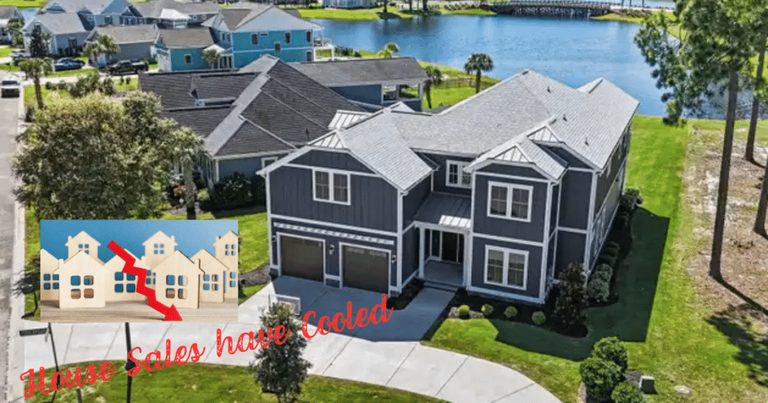
By mid‑2026, Myrtle Beach showed classic buyer’s‑market signals. Houzeo reported a median sale price of $322,700, down about 5% from a year earlier, with homes staying on the market an average of 85 days. In the beachfront ZIP codes 29572 and 29577, median prices slipped 2.3% to $537,000 while closed sales rose 5.4%.
Local analysts describe the trend as a correction, not a crash. A Grand Strand brokerage noted the data points to a rebalancing market rather than steep declines, and another forecast highlighted steady in‑migration as a stabilizing factor.
Nationally, Zillow found residential permits fell 1.7% in the year ending July 2026, now running 19.4% below pre‑pandemic trends. This slowdown directly affects construction crews, the segment of the economy that employs illegal immigrant tradespeople.
Why a shortage persists
WMBF reported that Horry County issued more than 3,600 residential permits in 2025, yet few workers outside that pool are willing to take on the physically demanding jobs needed. Robert Fenton of the state commission summed it up: “Somebody has got to build them.” Nationally, the Associated General Contractors of America estimates immigrants make up 35% of construction workers, and the National Association of Home Builders says the share tops 60% in trades such as drywall, roofing and plastering.
Even with a cooling market, the shortage is unlikely to disappear. Crews that once turned down jobs may now compete for them, but experienced tradespeople remain hard to replace.
Tourism sector also feels the strain
Leisure and hospitality employment in the Myrtle Beach metro swung from about 46,200 jobs in August 2025 to 36,300 in December, reflecting the seasonal nature of the industry. Hotel and restaurant owners report a shortage of cleaning staff tied to recent deportations and visa denials.
In January 2026, federal agencies authorized roughly 65,000 additional H‑2B seasonal visas for the remainder of the fiscal year, effectively doubling the cap. Those visas, however, are for temporary workers brought in by employers and do not address the status of illegal immigrant families already residing in the area.
National trends and local impact
Pew Research Center found the U.S. foreign‑born population fell by more than one million people by June 2025—the first decline since the 1960s. The Center for Immigration Studies estimates a 2.9‑million drop between January 2025 and July 2026, while Brookings cautions that survey‑based estimates have flaws.
Enforcement actions also affect local labor. A National Bureau of Economic Research paper showed employment among likely undocumented workers fell 4% in areas with recent ICE raids, and 7.5% in construction. The Horry County Sheriff’s Office is one of three departments in South Carolina enrolled in a program to identify and process illegal immigrants.
What this means for Horry County residents
For homeowners, renters and business owners, the fate of illegal immigrant workers will influence home‑building timelines, housing costs and the availability of hospitality staff. While the market correction may reduce the volume of new construction, the underlying labor shortage suggests wages could stay strong and competition for skilled hands may intensify.
Local leaders and community members will need to monitor both the housing market and immigration‑related policies to ensure the Grand Strand remains a vibrant place to live, work and raise families.
Original reporting: MyrtleBeachSC News — read the source article.