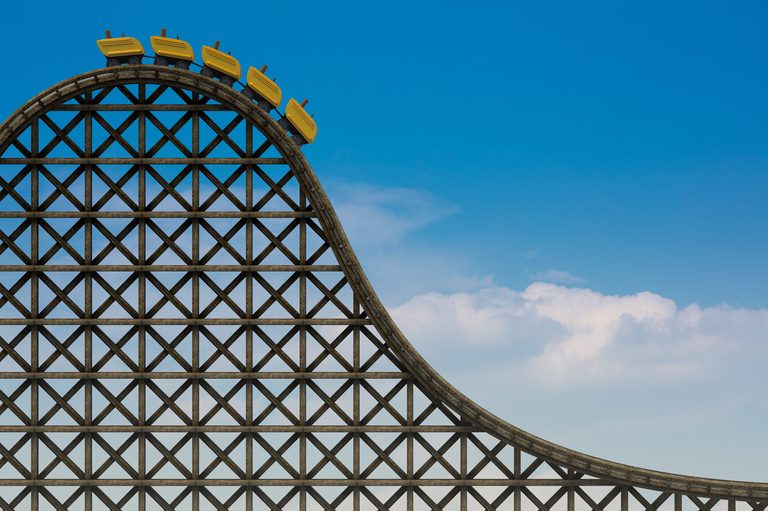
America’s historic wooden roller coasters have defined amusement parks for over a century. From the steep descent of the Giant Dipper in Santa Cruz to the twists and turns of Brooklyn’s Coney Island Cyclone, these coasters have become a traditional summer experience for families across the country.
PRESERVING HISTORY
The historical element of these coasters can’t be replicated in newer ones, says Richard Munch, a founder of the American Coaster Enthusiasts. “You can have three or four generations riding the same coaster over 100 years,” he said. “It’s typical Americana.”
The classic wooden roller coasters may be more difficult to keep operating, but amusement parks and dedicated enthusiasts are taking on the challenge. The coasters cost more, require more maintenance, and are more prone to natural damage from storms, yet those same qualities make them unique.
Oceanside wooden roller coasters were the backbone of American amusement parks at their peak in the late 1910s to 1920s. At the time, about 1,250 roller coasters operated across 800 parks, but by the end of World War II, only 90 remained.
The American Coaster Enthusiasts and the National Amusement Park Historical Association began in the late 1970s to preserve historic rides. These groups suggest ways parks can avoid shutting down historic wooden coasters due to cost and maintenance.
For ones that couldn’t be saved or are already gone, Munch has collected artifacts to be displayed in exhibits at the National Roller Coaster Museum in Plainview, Texas, set to open next year. The museum’s mission is to establish a permanent home for memorabilia and save the legacy of America’s amusement parks for future generations.
Original reporting: Dallas TX News (HLL/CB) — read the source article.