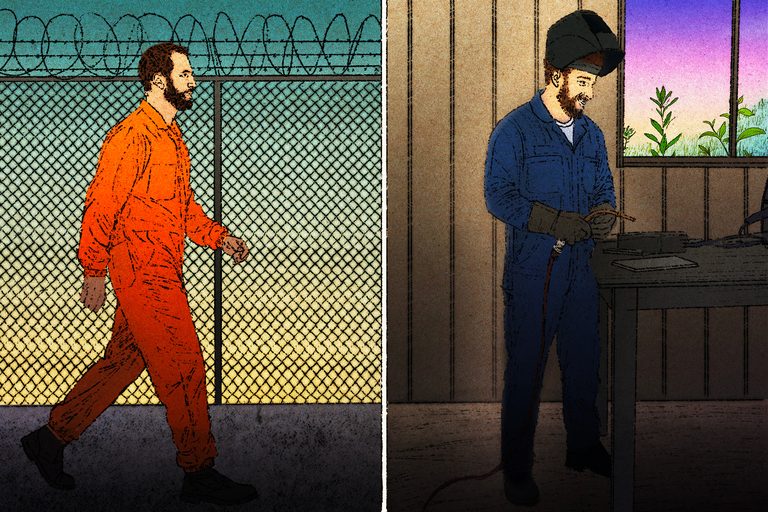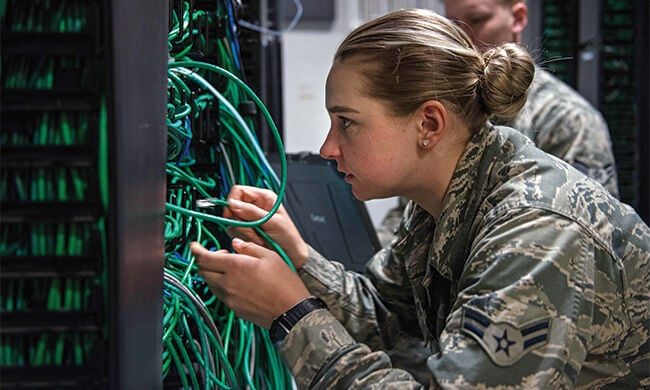
Every year roughly 200,000 service members transition to civilian careers, giving employers a pool of highly skilled, mission‑driven talent. Companies across industries are recognizing that veterans bring technical know‑how in logistics, engineering, cybersecurity, aviation and health care that maps directly onto civilian roles.
Technical expertise that translates
Military occupations often align with civilian jobs in manufacturing, information technology, and other sectors. Veterans can apply the practical knowledge they gained on the job to help businesses improve productivity and innovation.
Reliability and work ethic
Beyond hard skills, veterans are praised for reliability, adaptability and a strong work ethic. Military culture emphasizes responsibility, teamwork and accountability—qualities that can lift workplace culture and boost team performance.
Financial incentives for employers
Hiring veterans, especially those with disabilities, can qualify businesses for federal tax credits. Many workplace accommodations are also available at no cost to the employer, making veteran hiring both a patriotic and fiscally smart decision.
Overcoming translation challenges
One hurdle remains: converting military experience into civilian language. Although more than 80% of military roles have civilian equivalents, differing job titles and terminology can make it hard for veterans to clearly communicate their qualifications.
Resources to help
Organizations such as Disabled American Veterans (DAV) are addressing this gap. DAV recently released a free guide, “The Veteran Advantage: DAV’s Hiring Guide for Employers of the Military Community,” offering practical advice on translating skills, creating veteran‑friendly hiring initiatives, and establishing employee resource groups for veterans and military spouses.
“Veterans and military spouses consistently demonstrate strong work values, but many still face hurdles when transitioning into civilian careers,” said DAV CEO Barry Jesinoski. “Hiring veterans doesn’t just fill open roles – it strengthens organizations.”
Employment outlook
According to the U.S. Department of Labor, the veteran unemployment rate in March 2026 was 3.8%, rising to 5.4% for veterans with disabilities, highlighting the ongoing need for supportive hiring practices.
For employers, hiring veterans is more than filling a vacancy; it’s an opportunity to add experienced leaders and skilled professionals whose service prepares them to contribute meaningfully long after their military careers end.
Original reporting: KTBS 3 (Shreveport) — read the source article.