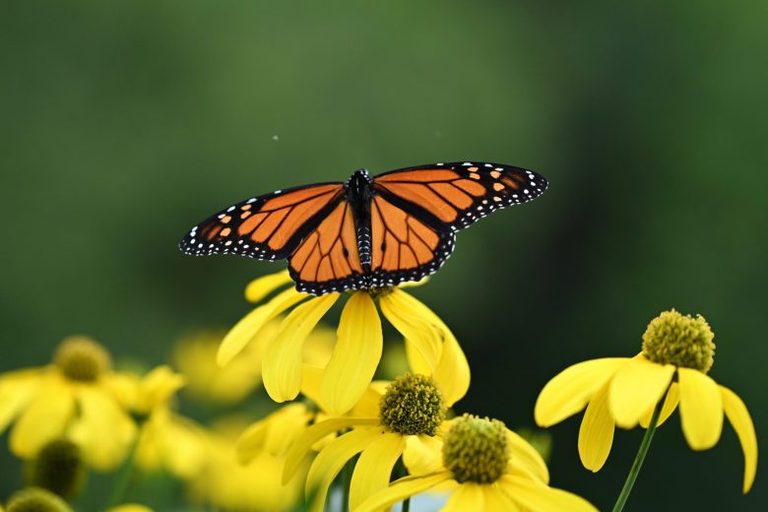
Gardeners across Maryland are seeing more monarch butterflies visiting their flower beds as the insects refuel for their long migration to the forests of Mexico. Experts stress that simple actions—planting native milkweed and participating in local education events—can make a big difference for these charismatic, easy‑to‑identify insects.
Why Monarchs Matter
Lesley Ries, associate professor of biology at Georgetown University, notes that monarchs are beloved for their spectacular migration, using high‑altitude wind patterns to travel thousands of miles. “Seeing the groups of butterflies clinging to trees can be very spiritual and give you a sense of the beauty of nature,” she said.
Local Insights from Maryland
Max Ferlauto, state etymologist with the Maryland Department of Natural Resources, explains that monarchs are hardy and take advantage of wind streams over the Chesapeake Bay and the Delmarva coast. He adds that the insects’ defense comes from milkweed, which contains chemicals that make them distasteful to birds.
Plant Native Milkweed, Not Exotic Varieties
Both Ries and Ferlauto caution against planting non‑native milkweed, which can persist year after year and increase pathogen loads that threaten migrating monarchs. Instead, they recommend native species such as common milkweed, swamp milkweed, and butterfly weed, all readily available at local nurseries. For residents along the Chesapeake, planting seaside goldenrod is also beneficial and easy to grow.
Education and Conservation Activities
While some conservationists advise against large‑scale breeding of monarchs due to disease risks, they recognize the value of small, educational projects. Providing children with a caterpillar kit, feeding the larvae, and releasing the adult butterfly can inspire lifelong support for conservation.
Maryland hosts several events where families can learn more and get involved:
- Monarchs and Milkweed Festival at the Merkle Natural Resources Management Area in Upper Marlboro.
- Monarch Tagging and Pollinators at Rollins Ford Park in Prince William County.
- Monarch Tag and Tea at Hidden Oaks Nature Center in Fairfax County.
These gatherings offer hands‑on experiences, from tagging migrating butterflies to planting milkweed seedlings.
How You Can Help
To aid monarchs this season, Maryland residents should:
- Plant native milkweed varieties in sunny garden spots.
- Avoid invasive or non‑native milkweed that can harbor disease.
- Participate in local festivals and tagging events.
- Consider small, supervised caterpillar kits for educational purposes.
By taking these steps, gardeners and families can contribute to the health of monarch populations and enjoy the wonder of watching these beautiful insects on their journey north.
Original reporting: Alexandria, VA News – WTOP News — read the source article.