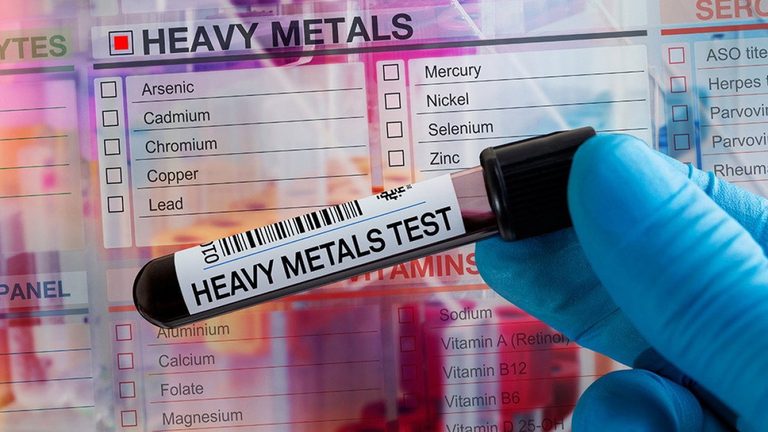
When it comes to heavy metals in food, the concern is often about the potential harm they can cause to our health. However, the reality is that our bodies are designed to filter out many of these toxins, and only a small fraction of the heavy metals we consume are actually absorbed.
Understanding Bioavailability
Bioavailability refers to the amount of a substance that is absorbed by the body. In the case of heavy metals, this concept is crucial in understanding the potential risks and benefits associated with their consumption. While some heavy metals, such as lead and mercury, can be toxic to the human body, others, like iron and zinc, are essential nutrients.
Research suggests that the bioavailability of heavy metals depends on various factors, including the type of metal, the amount consumed, and individual factors such as nutrient status and gut health. For example, a person with a healthy gut microbiome and adequate nutrient intake may be less likely to absorb toxic heavy metals.
Nutrients that Block Heavy Metal Absorption
Certain nutrients, such as selenium, calcium, and iron, can help block the absorption of heavy metals. Selenium, in particular, has been shown to counteract the toxic effects of mercury by forming complexes that are easier to eliminate from the body. Fiber and phytochemicals found in plant-based foods can also bind to heavy metals, reducing their absorption.
Probiotics, which support a healthy gut microbiome, may also play a role in reducing heavy metal absorption. While more research is needed to confirm these findings, the existing evidence suggests that a balanced diet rich in whole foods can help minimize the risks associated with heavy metal exposure.
In addition to the nutrients that block heavy metal absorption, it’s also important to consider the role of individual factors, such as life stage and nutrient deficiencies. Children, for example, may be more susceptible to heavy metal absorption due to their developing bodies and potential nutrient deficiencies. Pregnant women may also be at risk due to increased nutrient demands and potential deficiencies.
Conclusion
In conclusion, while heavy metals in food can be a concern, the risks can be minimized by understanding the concept of bioavailability and the role of nutrients in blocking their absorption. By consuming a balanced diet rich in whole foods and maintaining a healthy gut microbiome, individuals can reduce their exposure to toxic heavy metals and promote overall health and well-being.
Original reporting: KTVZ (Central Oregon) — read the source article.