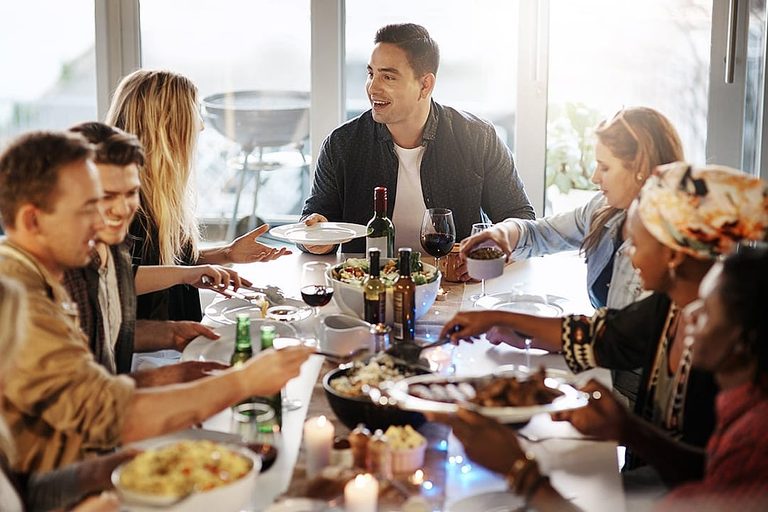
Americans are lonelier than ever, with the U.S. Surgeon General warning that about half of adults experience significant loneliness. While in‑person interaction remains the most effective antidote, many backyard cookouts and patio evenings are being cut short by the weather.
Heat and humidity drive cancellations
The Luxury Pergola surveyed 1,000 U.S. adults who host outdoor gatherings. A striking 71.2% said they have skipped or canceled an event because it was too hot. The EPA reports that major cities now see an average of six heat waves per year—up from two in the 1960s—and the heat‑wave season is 46 days longer than it used to be. Among the reasons cited, 28.4% of hosts pointed to humidity as the biggest heat‑related problem, especially those 62 and older, where 39% named humidity.
Rain is the single biggest trigger
When it comes to forcing a party inside, rain tops the list. Thirty‑nine point three percent of respondents said rain or the threat of rain most often ends an outdoor gathering. Once conditions turn, 52.8% move everything indoors immediately, while only 20.4% wait it out.
Wealthier households act fastest
Households earning $250,000 or more are the quickest to retreat indoors, with 88.2% doing so the moment weather worsens. Their comfortable indoor spaces give them the luxury of abandoning the patio at the first sign of trouble.
Generational differences
Gen Z hosts feel the pinch hardest: 46.2% say their gatherings are cut short “very often” or “sometimes,” compared with just 13.6% of baby boomers. Younger hosts lack the built‑in shade trees, covered patios, and other infrastructure their parents accumulated over decades.
What keeps guests outside longer?
When asked what would extend outdoor time, 55.4% chose a covered area that stays dry in the rain, followed by reliable shade (42.4%) and bug control (39.2%). Cold drinks and ice were also cited by 62% of respondents as essential for comfort.
Practical takeaways for hosts
To combat heat, humidity, and bugs, experts suggest investing in permanent shade structures, rain‑proof canopies, and cooling fans or misting systems. Providing ample cold beverages and ice can also help guests stay comfortable without retreating indoors.
By addressing these environmental challenges, hosts can create outdoor spaces that foster longer, more meaningful face‑to‑face interaction—an essential step toward easing the nation’s loneliness epidemic.
Original reporting: KEYT (Ventura/Santa Barbara) — read the source article.