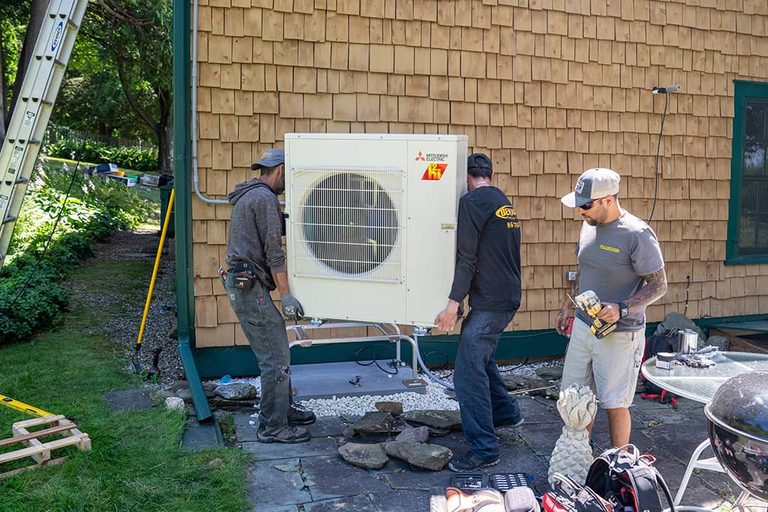
Recent data from the Building Decarbonization Coalition shows a clear turning point for home heating in the United States. Over the past 15 years, heat‑pump sales have doubled, and in the first quarter of 2026 shipments of heat pumps exceeded those of fossil‑fuel furnaces by 32%. The trend reflects growing consumer and builder preference for the efficient, two‑in‑one heating and cooling appliance.
Why Builders Are Choosing Heat Pumps
Builders are increasingly installing electric appliances throughout new construction. Three‑quarters of new apartments are now heated electrically, and many developers are pairing heat pumps with electric stoves rather than running natural‑gas lines. Kristin George Bagdanov, associate director of research at the coalition, notes that “it’s becoming a common‑sense measure to build all‑electric, especially with these new buildings, because the appliances are also so much more efficient.”
Resistance heating such as baseboard heaters, which simply convert electricity to heat at a one‑to‑one efficiency, is being replaced by heat pumps that move heat rather than generate it. Heat pumps achieve a coefficient of performance (COP) between 2 and 4, delivering two to four units of heat for each unit of electricity consumed, making them at least twice as efficient as traditional electric resistance heating.
Adoption in Multifamily Housing
Multifamily developers are also embracing the technology. A Sightline Institute report indicates that, since 2010, about 18% of new apartment buildings in the Northwest have installed heat pumps. Nationwide, heat pumps were installed in nearly half of all new housing—including single‑family homes—in 2024.
Networked Geothermal: A Next‑Level Solution
Utilities are experimenting with networked geothermal systems that use underground water loops to supply heat pumps. By drilling wells and circulating liquid through a neighborhood‑wide pipe network, utilities can provide a stable heat source that remains above freezing even in the coldest weather. This method can be seven to eight times more efficient than using gas furnaces, further reducing electricity demand.
Kevin Carbonnier, associate director of analytics at the coalition, points out that the same skills used to install gas pipelines—drilling, pipe laying, and infrastructure management—apply to these electric systems, easing the transition for existing utility workforces.
Impact on Energy Bills and the Grid
Lower energy consumption for heating and cooling translates into reduced strain on the electric grid. As data centers, electric vehicles, and other high‑demand loads grow, utilities will need to expand solar and wind generation, transmission lines, and battery storage. Reducing the baseline demand for heating helps keep rates lower for consumers.
Consumers are becoming more aware of how utility rate structures and infrastructure costs affect their bills. “For a long time individual consumers were taught that it was their fault if their bills were high,” Bagdanov said. “Now they’re learning more about how public utility commissions set rates and how building out additional fossil‑fuel infrastructure costs money.”
Looking Ahead
Manufacturers have shipped more heat pumps than fossil‑fuel furnaces for four consecutive years, and industry analysts believe the market is at a tipping point. Continued adoption could accelerate the nation’s efforts to reduce reliance on fossil fuels while delivering cost savings for homeowners.
As the United States moves toward greater electrification of homes, heat pumps stand out as a practical, efficient solution that aligns with both consumer interests and broader energy‑policy goals.
Original reporting: KRDO (Colorado Springs metro) — read the source article.