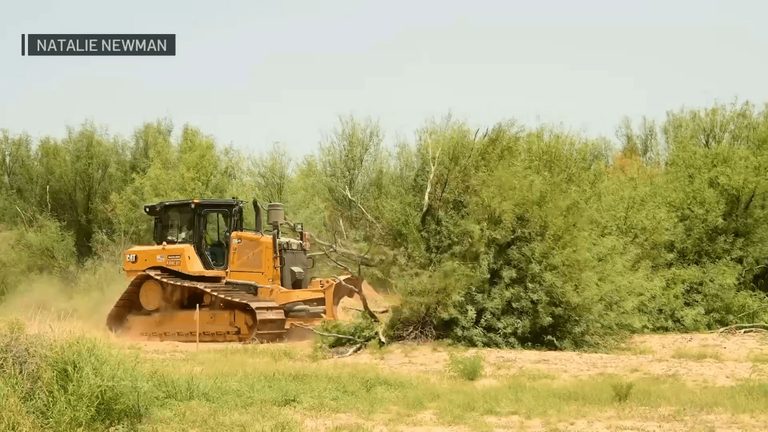
The Trump administration announced a temporary pause on the construction of the disputed border barrier that would run through Big Bend National Park in southern Texas. The pause comes as Customs and Border Protection (CBP) Commissioner Rodney Scott traveled to the state for a personal, on‑the‑ground evaluation of the project.
Federal funding and timeline
Last summer, Congress approved $46 billion for a continuous wall stretching from the Pacific Ocean to the Gulf of Mexico. The administration has been moving quickly, invoking waivers to sidestep many environmental and historic‑preservation regulations in order to meet an aggressive schedule.
Scott has previously indicated that the first layer of the wall was expected to be completed by the end of next year. However, the project has encountered strong bipartisan opposition, particularly from Texas officials and conservation groups who argue that the wall would scar a pristine natural area and that the park’s rugged terrain already serves as a natural deterrent to illegal immigration and smuggling.
Local opposition and concerns
Critics, including members of both parties, contend that the construction threatens the park’s unique ecosystems and could damage cultural resources. They also point out that the remote, desert landscape already makes unauthorized crossings difficult, questioning the necessity of a physical barrier in this location.
State and local leaders have voiced their concerns, emphasizing the need to protect the park’s natural beauty while balancing border‑security objectives. The pause allows for a more thorough assessment of the environmental impact and the practicality of building in such a remote area.
What the pause means
During the evaluation, all construction activities within the park have been halted. CBP officials will review the findings and determine whether to resume work, modify the design, or consider alternative security measures.
The decision underscores the tension between federal immigration enforcement priorities and local stewardship of public lands. It also reflects the administration’s willingness to pause a high‑profile project when faced with significant pushback from elected officials and the public.
Next steps
After the on‑site review, CBP is expected to release a report outlining its recommendations. The outcome could influence not only the future of the Big Bend segment but also set a precedent for how similar projects are approached in other environmentally sensitive areas across the nation.
Stakeholders, including local residents, environmental groups, and border‑security advocates, will be watching closely for the administration’s next move.
Original reporting: Dallas TX News (HLL/CB) — read the source article.