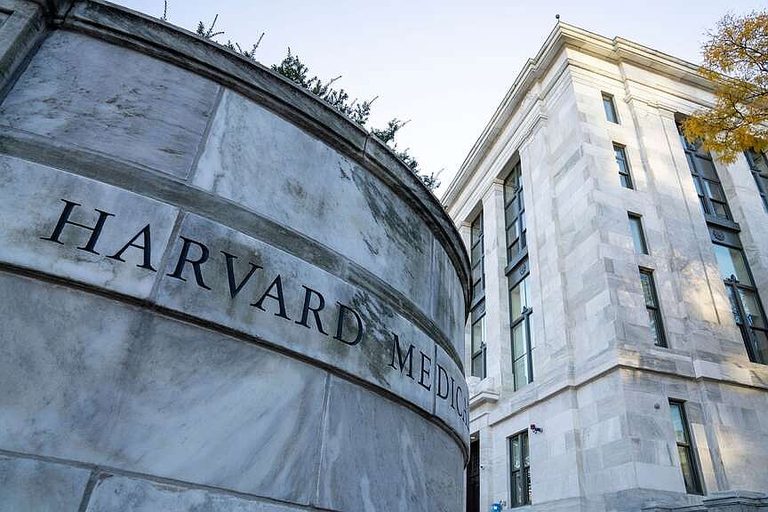
Harvard Medical School announced a $53 million settlement to resolve a class‑action lawsuit stemming from the illegal sale of human remains from its academic morgue. The settlement was preliminarily approved by Suffolk Superior Court on Tuesday following a public letter from the school’s leadership.
Settlement Details
Dean of the Faculty of Medicine George Q. Daley and Dean for Medical Education Bernard S. Chang said a third‑party Settlement Administrator will be appointed to notify potential class members, create a website with eligibility information, and oversee distribution of the funds. The process is expected to take several months.
The court found the settlement “fair, just, reasonable and adequate” for the certified class, according to Judge Debra Squires‑Lee. A final approval hearing is scheduled for December.
Background of the Case
The lawsuit alleges that between 2018 and 2022 former Harvard morgue manager Cedric Lodge, his wife Denise Lodge, and other buyers coordinated the trade of human body parts donated to the school’s Anatomical Gift Program without the institution’s knowledge or permission. Lodge was convicted of interstate transport of stolen human remains and sentenced to eight years in prison. Seven co‑conspirators have also been convicted, including a woman from Haverhill who received a two‑year federal sentence and Lodge’s wife, who was sentenced to a year and a day.
Harvard officials emphasized that the actions do not reflect the reverence the school holds for donors who selflessly give their bodies for medical education. They expressed deep sorrow for the families of donors who may have been impacted.
Implications
The settlement creates two class‑action funds totaling $53 million to compensate families and individuals affected by the unauthorized trade. While the case is centered on a prestigious university, it underscores the importance of strict oversight of anatomical donation programs and the legal responsibilities of institutions handling donated remains.
Harvard’s response includes a commitment to improve safeguards and transparency within its Anatomical Gift Program to prevent future violations.
Original reporting: Texarkana Gazette — read the source article.