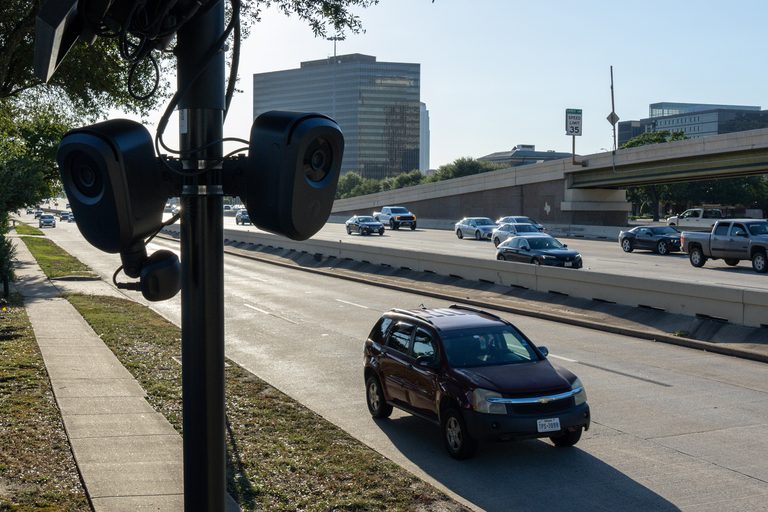
On Aug. 17, the Harris County Commissioners Court convened to discuss the county budget, but the meeting quickly turned into a forum for residents who oppose the county’s use of Flock Safety’s AI‑powered license‑plate cameras. Attendees, including members of the Texas Civil Rights Project, argued that the system lacks adequate privacy protections and called for its elimination.
Why Harris County relies on Flock cameras
Flock Safety, based in Atlanta, provides cameras that automatically read every vehicle’s license plate, model, color and even bumper stickers. The data are uploaded to a statewide database that law‑enforcement agencies can search with a few keystrokes, often without a warrant. Harris County’s sheriff’s office manages 20 separate Flock networks comprising roughly 480 cameras – the largest concentration in Texas.
Incidents fueling the backlash
Recent controversies have heightened public unease. In 2025, a Johnson County deputy used the Flock network without a warrant to track a woman suspected of seeking an abortion; the investigation later revealed the woman’s condition was a blood clot, not an unborn child. Earlier this month, Harris County deputies were blocked from using the cameras while an internal probe examines possible misuse. Similar allegations have emerged in Baytown, Fort Bend County, Pasadena and Deer Park, where officers faced suspension or resignation after allegedly using the system to stalk individuals or fellow officers.
Contractual hurdles to removal
County officials acknowledge the privacy concerns but note that dismantling the system is far from simple. Most cameras are not owned directly by the county; they are purchased by municipal utility districts, homeowners’ associations and private retailers, which then grant the sheriff’s office administrative access. To terminate the contracts, officials would need to locate every private owner and negotiate a release, a task described as “daunting.”
Local officials’ response
Harris County Commissioner Rodney Ellis said his office is working with partners to find a path forward, emphasizing that “public safety and privacy are not mutually exclusive.” Meanwhile, Commissioner Adrian Garcia, a former sheriff, defended the technology, stating it provides “maximum benefit” to victims of crime and helps recover stolen vehicles.
Statewide actions and community activism
Other Texas jurisdictions have already ended their contracts with Flock, including Guadalupe County, Hood County, and the cities of Bandera, Lago Vista and Magnolia. Austin and San Marcos have also moved away from the system, and Conroe residents are pursuing a November ballot measure to remove the cameras. U.S. Rep. Keith Self introduced federal legislation that would require warrants before any agency could access Flock data.
Grassroots opposition is growing. Residents have organized protests at county meetings, posted yard signs, and filed complaints with state lawmakers. In Dallas, police have logged roughly 25 incidents of vandalism to Flock poles this year, while Burnett County removed all its cameras after two such attacks.
Balancing safety and liberty
The debate in Harris County reflects a broader Texas conversation about the balance between cutting‑edge public‑safety tools and constitutional liberties. As more communities evaluate the cost‑benefit of AI surveillance, officials will need to address both the legitimate crime‑fighting advantages and the legitimate privacy concerns raised by citizens and civil‑rights groups.
Original reporting: Texas Tribune (HLL/CB) — read the source article.