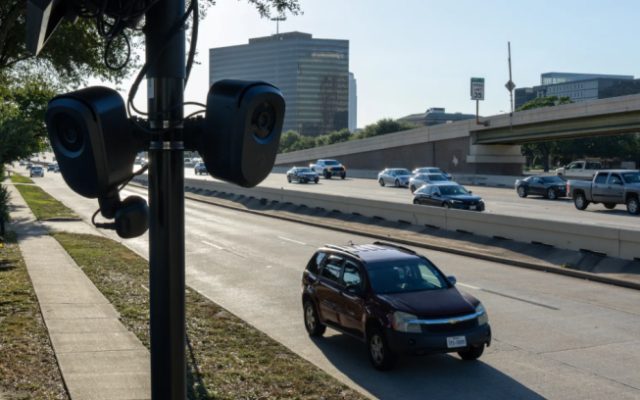
During the Harris County Commissioners Court meeting on August 17, a crowd of Houston residents gathered to voice opposition to the county’s contract with Atlanta‑based Flock Safety, the provider of AI‑enabled license‑plate cameras that scan every vehicle that passes by. Residents argued that the technology infringes on privacy and lacks adequate safeguards.
Local officials explain the contractual maze
Commissioner Rodney Ellis acknowledged the concerns, saying his office is working with partners to find a path forward that protects both public safety and privacy. He noted that many of the cameras are not owned directly by the county; they are installed by municipal utility districts, homeowners’ associations and other private entities that then share footage with law‑enforcement agencies. Because the contracts involve multiple agencies and jurisdictions, breaking them would require locating every owner and securing agreement to terminate the agreements.
Incidents fueling the controversy
Recent incidents have heightened public unease. In 2025, a Johnson County deputy used the statewide network of more than 83,000 Flock cameras without a warrant to locate a woman suspected of seeking an abortion. The district attorney declined to press charges after a medical examiner determined the material in question was a blood clot, not an unborn child. Earlier this month, Harris County Sheriff’s Office deputies were blocked from using the cameras while an internal investigation proceeds.
Other local law‑enforcement agencies have reported misuse: a Baytown police chief opened a criminal investigation after an officer allegedly abused the system; a Fort Bend County deputy was suspended after looking up one plate 41 times and another 148 times; a Pasadena sergeant resigned after allegedly tracking a fellow officer; and Deer Park police suspended an officer who admitted to improper use.
Benefits cited by law‑enforcement
Supporters point to the technology’s role in solving crimes. Harris County Sheriff’s Office spokesperson Gonzalez said the license‑plate readers have helped thwart kidnappings, apprehend armed robbery crews and recover stolen vehicles. Nationwide, Flock estimates that roughly 5,000 law‑enforcement agencies and 6,000 communities use its products, with more than 13,000 cameras estimated to be operating in Texas.
Legislative and local actions
U.S. Rep. Keith Self, a Republican from McKinney, introduced legislation that would require federal agencies to obtain a warrant before accessing Flock data. Several Texas counties—Guadalupe, Hood and others—have terminated their contracts, and cities such as Bandera, Lago Vista, Magnolia, Austin and San Marcos have discontinued use of the cameras. Conroe residents are pushing a November ballot measure to remove the system, and the mayor of League City has floated a similar proposal.
Hood County Constable John Shirley warned that permanent, warrantless tracking “doesn’t belong in a free society.” Meanwhile, some Texans have taken direct action, vandalizing camera poles or spray‑painting lenses, and groups like DeFlock DFW have organized protests and outreach to state lawmakers.
County officials remain divided
While Commissioner Adrian Garcia defended the renewal of the Harris County contract through 2027, emphasizing the tool’s value for crime victims, other officials stress the need for transparent policies and open dialogue. The Texas Municipal Police Association has argued that recording in public places is a protected right, while also condemning vandalism of the equipment.
The debate in Harris County reflects a broader Texas conversation about balancing public‑safety technology with constitutional privacy rights. As the county continues to navigate contractual obligations and community concerns, residents are urging clearer safeguards and greater accountability for AI surveillance tools.
Original reporting: KTSA News/Talk (San Antonio) — read the source article.