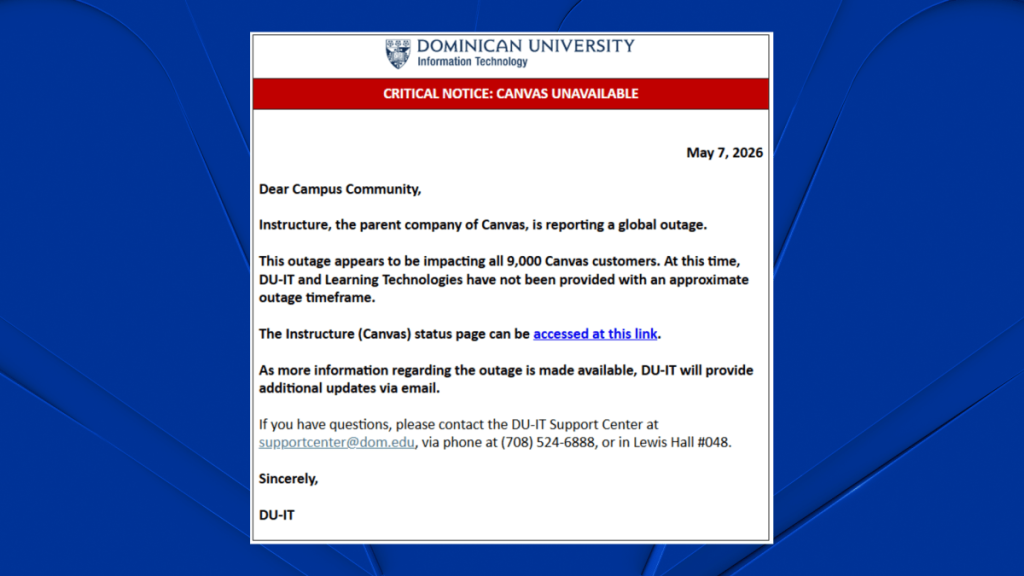
The story: a cybercriminal group says it hit education systems across the globe, touching thousands of schools and leaving teachers, parents, and administrators scrambling. The piece follows the claim, the fallout for classrooms, expert warnings about ransomware, and what school districts and families should watch for next.
Late last week a hacking collective announced an attack targeting education institutions, and the fallout has been fast and messy. Many districts reported disruption to administrative systems, lost access to educational software, and long lines at IT help desks. Parents and staff found themselves locked out of portals and uncertain whether personal data had been exposed.
“The hacking group posted online that nearly 9,000 schools worldwide were affected.” That single line, posted on public forums, drove immediate headlines and a spike in calls to cybersecurity firms. Even if the number is inflated, the claim forced school leaders to assume the worst and start incident response plans right away.
Ransomware and data-leak threats have become favorites for criminal groups because schools often run outdated systems and lack the cybersecurity budgets of private companies. Attackers know classroom chaos gets attention and pressure builds quickly to restore access. That pressure can push officials toward quick payouts or risky shortcuts instead of thorough forensic checks.
District IT teams are juggling three priorities: restore operations, notify affected families, and preserve evidence for investigators. That work includes isolating infected systems, resetting credentials, and calling in external specialists when local staff can’t handle the scale. Meanwhile, day-to-day teaching still has to happen, so many schools shift to offline plans or alternate platforms.
Parents are rightly worried about student privacy and the safety of their own data. Schools hold social security numbers, health records, and family contact information—prime targets if attackers decide to monetize what they stole. Families should expect formal notifications from school districts and be ready to monitor accounts and change passwords when advised.
Law enforcement agencies typically urge districts not to pay ransoms and to cooperate with investigations, but the decision often lands on resource-strapped administrators. Experts say paying doesn’t guarantee data recovery or silence; it can simply fuel more attacks. Instead, strong backups, segmented networks, and basic cyber hygiene are the defenses that reduce temptation and impact.
Cybersecurity professionals suggest immediate, practical steps for schools: isolate compromised systems, verify clean backups before restoring, and rotate credentials across platforms. Long term, districts need enforceable policies on software updates, multi-factor authentication, and staff training on phishing. Those fixes cost money and time, but the alternative is repeated disruption and escalating recovery bills.
Smaller districts and private schools face a tougher path because they often rely on contractors who juggle multiple clients and vintage systems. That creates a single point of failure that attackers exploit. Regional or state-level support can help, but it requires organized funding and political will to prioritize cybersecurity for education.
Data extortion is a growing trend where attackers steal files and demand payment to avoid publishing them. Even if a school recovers systems from backups, leaked student or staff records can be used for identity theft and fraud down the line. That lingering risk means incident response doesn’t end when email and gradebooks come back online.
Parents should ask their schools what happened, what data was exposed, and what protections are being offered, like credit monitoring. Teachers and staff should insist on clear communication, training, and realistic timelines for safe restoration. And district leaders should treat cybersecurity like a core infrastructure expense, not an optional add-on.
Observers watching this attack say it underlines a simple truth: schools are critical infrastructure for communities and deserve the same protections as hospitals and utilities. The immediate scramble will fade, but the lesson should push districts, states, and the federal government to act before the next incident arrives. For now, vigilance, clear communication, and practical defenses are the tools that matter most.