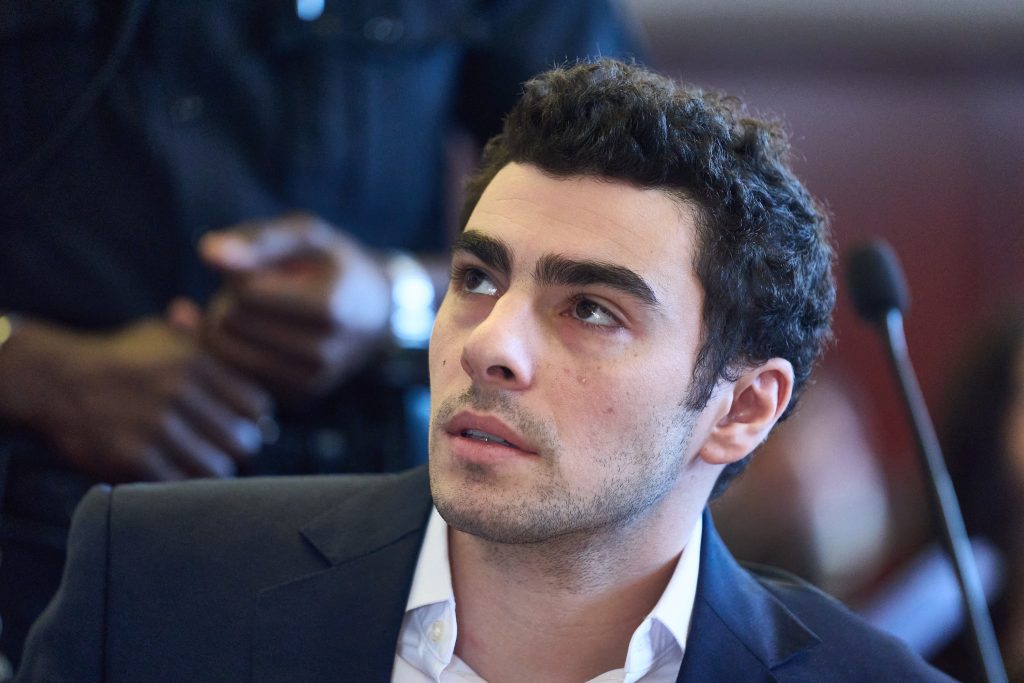
What follows examines prosecutors’ claim that a gun and a notebook tie Luigi Mangione to the killing of UnitedHealthcare CEO Brian Thompson, the legal fight over whether those items can be introduced at trial, and what that evidence might mean for jurors, the defense and the case moving forward.
Prosecutors say a firearm and a small notebook are key pieces connecting Luigi Mangione to the death of UnitedHealthcare CEO Brian Thompson, and a judge has allowed them into evidence. Courts do this only after weighing whether the material helps prove something important or just paints the defendant in a bad light. Admitting those items clears an early legal hurdle for the prosecution and shapes the story jurors will hear about motive, planning or opportunity.
Evidence like a gun is often obvious to jurors: it can be examined for fingerprints, DNA and ballistic matches. A notebook can be trickier, but it may contain entries, names, dates, or notes that prosecutors argue show intent or planning. Defense lawyers typically challenge both kinds of items, arguing contamination, mishandling, or that meaning is being read into ambiguous words and marks.
Chain of custody is a common battleground in these fights over physical evidence. If the defense can show a gap — a transfer that was not logged, a storage problem, or an investigator who deviated from procedure — the value of a gun or notebook to the jury can diminish fast. Judges do not toss evidence simply because mistakes happened, but sloppy handling can sway rulings about what jurors eventually see.
Ballistics testing and forensic analysis are central when a weapon is involved, and those results carry weight if they link a gun to the crime scene or to ammunition recovered there. Prosecutors will want expert testimony to explain technical findings in plain language that jurors can follow. The defense will bring in its own experts to poke holes in methods, timelines and assumptions behind those conclusions.
Notebooks present a different set of challenges. Handwriting comparison, ink dating, and context all matter, and experts can disagree sharply about what a scribble actually proves. Notes can be circumstantial, hinting at a plan rather than spelling it out, and smart defense teams emphasize ambiguity. What looks damning at first can, to a careful reader, be nothing more than a fragment without context.
Beyond scientific disputes, the human element matters: jurors assess credibility, consistency and motive. Prosecutors aim to build a narrative where the gun and notebook point the same way, while the defense works to show alternative explanations and reasonable doubt. Pictures, timelines, witness testimony and expert reports will be arrayed to make those competing stories feel coherent.
Allowing the items into evidence doesn’t guarantee a conviction, but it does define the battlefield for trial. The prosecution will try to connect each dot, explaining how the physical items fit into a larger scheme or event that led to the death of Brian Thompson. The defense will counter with questions about handling, interpretation and the possibility of innocent explanations that do not involve Luigi Mangione.
Trials like this often hinge on details the public never sees at first: lab reports, chain-of-custody logs, and the small decisions officers made when they collected items. Those details get parsed by experts and argued over in front of a jury that must weigh credibility and doubt. With the gun and notebook cleared for use at trial, both sides now have to deploy experts, witnesses and strategy to turn ambiguous facts into a persuasive story for jurors.