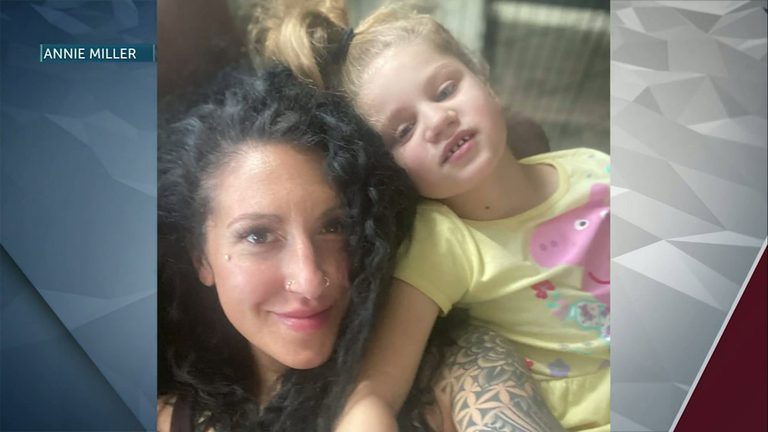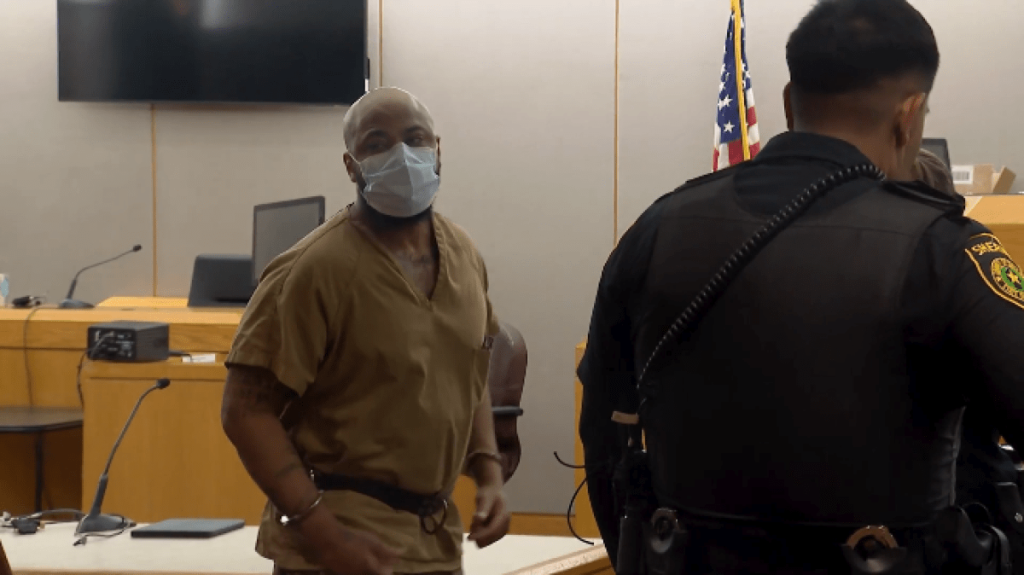
A convicted murderer was sentenced to 30 years in prison after pleading guilty in the January 2025 killing of Stephanie Wenneberg in Garland. The man identified in court records as Robert Ray Kelley entered the plea and received the sentence in a case that has drawn attention across Garland, Texas.
Kelley’s guilty plea ended the possibility of a full trial and led directly to a fixed term behind bars, where he will serve three decades for his role in Wenneberg’s death. Prosecutors said the plea spared the court and the victim’s loved ones the ordeal of a lengthy trial, while defense counsel noted that an agreed sentence avoided the uncertainty of jury deliberation. The courtroom was described as somber when the judge imposed the 30-year term, a moment that underscored the finality of the plea deal.
Stephanie Wenneberg’s name has been central to every public statement about the case, and the impact on her family has been palpable in community conversations and local notices. Friends and neighbors have spoken quietly about loss and the difficulty of moving forward after a violent death in their neighborhood. For many in Garland, the case reopened conversations about personal safety and the local response to violent crime.
Under Texas law, murder convictions can carry a wide range of penalties, and a 30-year sentence sits solidly within the state’s established sentencing framework. That range gives prosecutors and defense lawyers room to negotiate outcomes through plea agreements, especially when both sides want to avoid the unpredictability of a jury verdict. Sentences like this reflect not only the facts of a single case but also strategic choices made by legal teams during the prosecutorial process.
Pleas are often a practical tool in the criminal justice system, used to secure a certain outcome without the time and emotional cost of a trial for victims, witnesses, and jurors. In situations where evidence is strong and a defendant decides to accept responsibility, a plea can guarantee accountability that might otherwise be delayed for months or years. For families like Wenneberg’s, the trade-off is rarely simple, but many find that a resolved case helps with planning for the future and accessing victim resources.
The Garland community has been following developments closely, and local leaders have reiterated calls for vigilance and support for victims of violent crime. Neighborhood groups and community organizations often respond to high-profile cases by renewing outreach efforts, increasing awareness of reporting channels, and connecting grieving families with counseling. Those community-level responses aim to channel frustration into practical support for people affected by violent incidents.
Family members and friends of victims frequently emphasize the need for transparency in how cases are handled, asking questions about timelines, evidence disclosure, and sentencing recommendations from prosecutors. Public records from criminal proceedings provide some answers, but many details remain private or sealed until formal filings are made available. That tension between openness and legal confidentiality is a common feature in cases that draw public interest.
For the legal professionals involved, Kelley’s plea and 30-year sentence close one file but do not erase the broader consequences of the event that brought the case to court. Prosecutors say their priority is securing a sentence that fits the crime while ensuring the safety of the community, and defense attorneys point to negotiated resolutions as a way to avoid protracted uncertainty. The result in Garland now sits on the record as part of Robert Ray Kelley’s criminal sentence and provides a measure of legal closure for those connected to Stephanie Wenneberg.