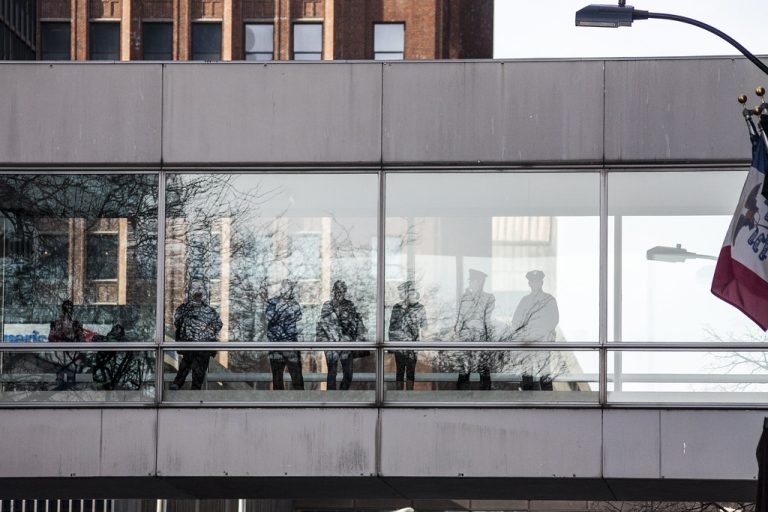
Fort Meade, Md. – On Thursday, a senior panel of defense, intelligence and homeland‑security officials convened to review the continued detention of Abu Zubaydah, a 55‑year‑old man who has spent two decades at the U.S. military prison in Guantanamo Bay without ever being charged.
Background and allegations
U.S. officials originally described Zubaydah as a trusted facilitator for Osama bin Laden, though his government‑assigned representative and private counsel, Annika Conrad, emphasized that he was never a formal member of al‑Qaida. The detainee was captured in Pakistan in 2002 and subsequently transferred to CIA black sites in Poland and Lithuania, where he endured what the Senate has called torture, including more than 80 water‑boarding sessions in a single month and confinement in a coffin‑size box.
Legal and procedural context
The hearing, lasting roughly 20 minutes, was part of the Periodic Review Board process created under the Obama administration to assess whether Guantanamo prisoners can be released without endangering national security. The board’s deliberations are typically classified, but an unclassified portion of Zubaydah’s hearing was streamed live to reporters at Fort Meade.
Defense arguments
Conrad and co‑counsel Ahmed Almudallal argued that Zubaydah poses no threat and should be cleared for transfer to a willing country. They highlighted his willingness to accept continuous monitoring and other security measures, as well as the support of his family. The attorneys also cited a statement from the chief military prosecutor indicating that it is unlikely Zubaydah will ever face charges, a “major change in circumstances” that, they said, warrants his release.
Government position
While a senior U.S. official acknowledged Zubaydah’s “probable association” with bin Laden, the panel did not issue an immediate ruling. The Office of Military Commissions declined to comment further. The review panel’s mandate remains to determine whether continued detention is justified based on current security assessments.
Human‑rights concerns
Conrad described Zubaydah as a “greatly injured man,” noting the loss of his left eye, impaired English writing ability, and frequent difficulty recalling words. She argued that his injuries, sustained during the CIA’s enhanced interrogation program, underscore the moral imperative to end his indefinite confinement.
International dimensions
Recent developments include a confidential settlement by the British government with Zubaydah over alleged complicity in his torture, and a 2018 parliamentary committee finding that U.K. intelligence agencies were aware of his mistreatment yet continued to provide interrogation questions to the CIA.
Next steps
The Periodic Review Board will reconvene to consider the arguments presented and determine whether Zubaydah can be transferred out of Guantanamo. If approved, the process would involve identifying a nation willing to accept him and implementing any agreed‑upon security safeguards.
Original reporting: KTBS 3 (Shreveport) — read the source article.