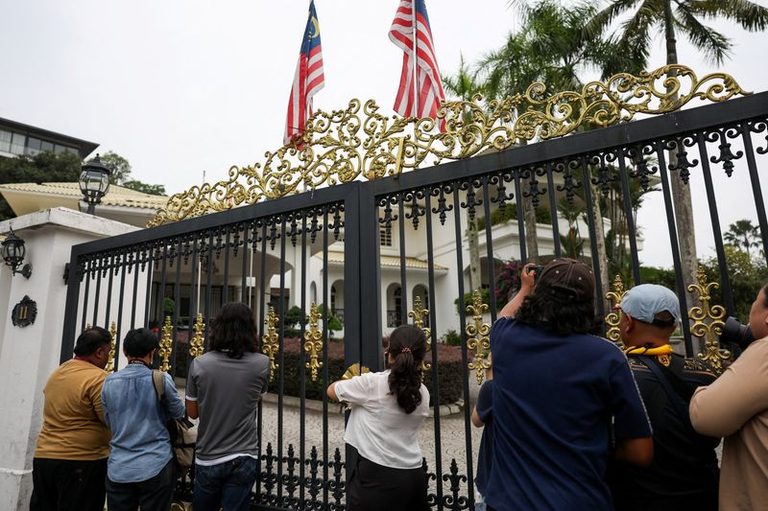
In a statement made on Saturday, Anthony Loke, the Democratic Action Party (DAP) secretary‑general who also serves as Malaysia’s transport minister, announced that he has submitted a resignation to Prime Minister Anwar Ibrahim. Loke said the resignation pertains only to his cabinet post, not his role as a DAP lawmaker, and is intended to help maintain stability within the multi‑party government.
Background on the house‑arrest decision
The Malaysian Pardons Board, chaired by the Yang di‑Pertuan Agong, approved a request that former Prime Minister Najib Razak, currently serving a prison term for corruption linked to the 1Malaysia Development Berhad (1MDB) scandal, be allowed to serve the remainder of his sentence under house arrest. The decision came four years after Najib’s conviction on charges of embezzling billions of dollars from the state‑owned investment fund he helped create while in office from 2009 to 2018.
Political ramifications
The move has intensified existing tensions within Anwar’s coalition, which includes both the DAP and Najib’s United Malays National Organisation (UMNO). While the DAP has traditionally drawn support from ethnic minorities and progressive voters, its popularity has been slipping amid criticism over the government’s handling of corruption cases, racial and religious disputes, and questions about the delivery of promised reforms.
In his remarks, Loke emphasized that the remaining DAP ministers would stay in their posts to ensure that “political stability is still guaranteed.” He added that the resignation is a personal decision aimed at preventing further strain on the coalition and allowing the government to focus on its policy agenda.
Reactions from other leaders
Prime Minister Anwar Ibrahim has not yet publicly responded to Loke’s offer. UMNO officials, who have long defended Najib, described the house‑arrest arrangement as a “humane” measure that respects the former premier’s health and family circumstances.
Opposition commentators and some civil‑society groups have criticized the Pardons Board’s decision, arguing that it undermines the deterrent effect of the 1MDB conviction and signals leniency toward high‑profile corruption offenders.
Implications for the coalition government
The DAP’s willingness to keep its cabinet members in place, despite internal disagreements, signals an effort to project unity ahead of upcoming legislative sessions. Analysts note that the coalition’s ability to navigate these disputes will be crucial for advancing reforms in areas such as transportation infrastructure, economic diversification, and social welfare.
Should Loke’s resignation be accepted, the transport ministry would need a new head, potentially prompting a reshuffle that could affect ongoing projects like the expansion of Malaysia’s rail network and the modernization of its ports.
Looking ahead
As Malaysia’s political landscape continues to evolve, the DAP’s next steps will be closely watched by voters and regional observers. The party’s handling of internal dissent and its stance on corruption will likely influence its support base in future elections, especially as the nation approaches its next general election cycle.
For now, the DAP remains in the cabinet, and the coalition government stresses that it will continue to work on its reform agenda while navigating the challenges posed by the Najib house‑arrest decision.
Original reporting: Appleton, WI News Feed (HLL/CB) — read the source article.