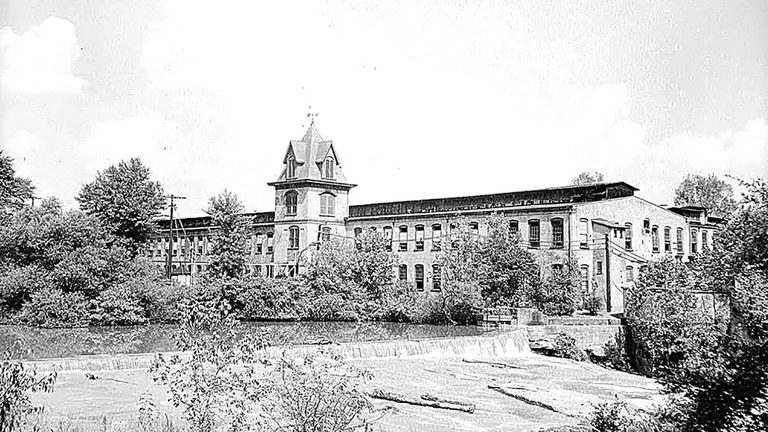
Greenville, South Carolina, underwent a significant transformation in a single generation, changing from a small courthouse town to one of the busiest textile centers in the South. The textile industry’s growth was the largest transformational moment in the county’s economic history.
Early Days of the Textile Industry
The ingredients for this transformation were ordinary: water power, cotton, and cheap labor. However, the timing was right, with railroads bringing in cotton and taking out cloth, and Northern investors looking to the South for new opportunities.
Local men, such as those involved in the Camperdown Mill, refused to give up despite initial struggles, including fires and financial panics. They rebuilt, borrowed, and recruited investors, eventually making the textile industry a success in Greenville.
Racial Dynamics and the Textile Industry
The mill floor was predominantly white, with black workers often relegated to jobs on the edges of the textile economy. This segregated system lasted for generations, with the first black man, Wallace Dillard, being hired at Dunean Mill in June 1962, breaking a racial barrier that had stood for nearly a century.
Greenville’s textile inheritance is complex, with the industry building the modern city while leaving behind questions about who was included and who was left out. As the city continues to evolve, it must confront this legacy and determine who will be included in its future.
Original reporting: Greenville Journal — read the source article.