In late 19th-century Greenville, men held visible power, but women built the community’s culture and conscience. Mary Camilla Judson, namesake of M. Judson Booksellers, helped create that conscience. Born in Connecticut in 1828, she received an education many women were denied.
Shaping the Community
Judson came to Greenville in 1857 and became Lady Principal of Greenville Woman’s College, teaching English, French, art, astronomy, botany, and elocution. She also introduced calisthenics, likely a first for a Southern women’s college. Her Judson Literary Society gave students a place to write papers, debate, and build the college library through 25-cent dues, practicing public speech a society discouraged.
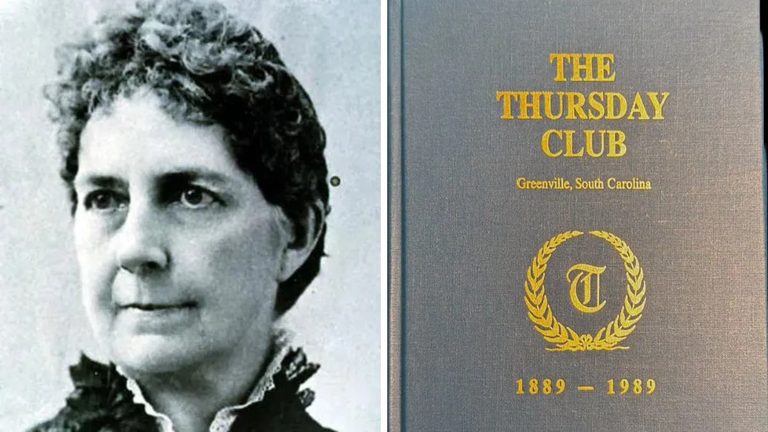
The Thursday Club, organized in 1889, was another example of women shaping the community. Members researched serious subjects, presented papers, and discussed public issues. Mary Putnam Gridley gave it a civic edge, believing study should lead to action: education, libraries, public health, and playgrounds.
A Lasting Legacy
This story also reaches beyond white college women. Black women sustained Greenville through churches, schools, homes, and mutual aid, often with less recognition. Hattie Logan Duckett carried that work forward, founding the Phillis Wheatley Association in 1919 as a lasting institution for Black Greenville.
The Thursday Club still meets today, with members gathering for more than a century to read, think, and serve. Together, they gave Greenville memory, conscience, culture, and voice, working inside limits while quietly proving them wrong.
Original reporting: Greenville Journal — read the source article.