Green Bay’s ambitious east‑side redevelopment, anchored by the Grand Boulevard Apartments, continues to move forward despite a recent construction hiccup that cost taxpayers an additional $265,874. The project, a partnership between the city and JBS Foods, aims to provide 95 workforce‑housing units, affordable homes, a destination park, and a Food Innovation Center on 26 acres donated during the COVID‑19 pandemic.
What happened
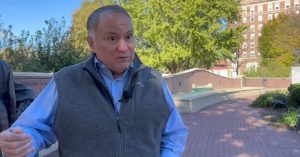
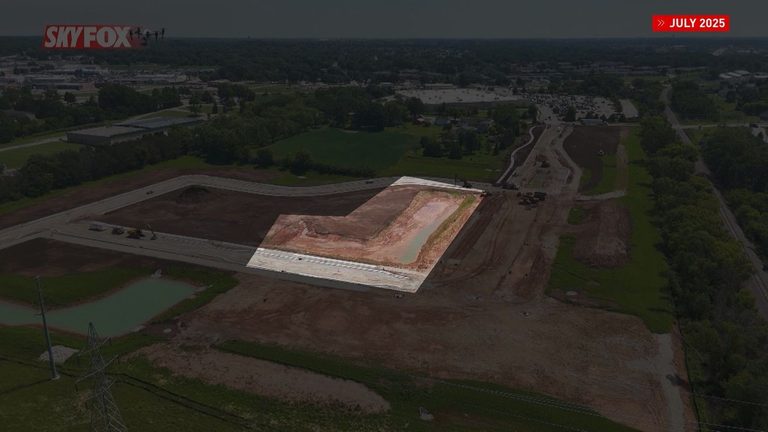
During a closed‑session city‑council meeting in August, council members learned that a large hole had been excavated for underground parking that was never part of the approved plans. Former alderperson Bill Galvin, who served on the council when the JBS donation was first negotiated, described the discovery as “surprising” and “a drain” on the project’s budget.
City records obtained through an open‑records request show the council noted, “underground parking was a possibility, but now not needed so there’s a hole that needs to be filled,” and that the developer declined to cover the fill cost. The developer, Gorman & Company, confirmed that underground parking was never a realistic option and that the hole was identified in April 2025 after snow melt revealed a water‑filled depression.
Developer’s response
Gorman & Company’s Ted Matkom called the incident “an understandable mistake” arising from the “unchartered territory” of preparing a large, previously undeveloped site for affordable housing. He noted that the city agreed to pay $265,874 to fill the hole, a sum that represented roughly half of the additional expense incurred by the developer. “That agreement was fair and made us whole,” Matkom said, emphasizing that the overall construction budget remained intact.
Matkom also highlighted the broader benefits of the JBS project, stating that Green Bay’s proactive site preparation sets a model for other communities seeking to expand workforce housing without the usual bureaucratic delays.
City leadership and accountability
When asked for comment, the city’s communications director declined to provide an interview. State Representative Amaad Rivera‑Wagner, who managed the project as chief of staff to the mayor before his election to the state legislature, reiterated his pride in the development, noting its national recognition for bringing together residents of all income levels.
Rivera‑Wagner’s statement emphasized that the project remains on schedule, with leasing expected to begin in January. He encouraged reporters to direct further questions to the city, underscoring the administration’s commitment to transparency.
Impact on the community
Despite the extra expense, local leaders stress that the JBS development will deliver much‑needed housing for Green Bay’s workforce, support local businesses, and create a vibrant new neighborhood between the east‑side Walmart and the Kroc Center. Galvin estimates that the true cost of the unnecessary hole could be closer to $500,000 when digging expenses are considered, but he also notes that the city’s willingness to cover the fill cost prevented larger budget overruns.
Residents can look forward to the completion of the apartments by the end of the year, followed by the opening of the destination park and Food Innovation Center, which together aim to revitalize a historically overlooked part of the city.
Next steps
The city has filed another open‑records request for emails and text messages that reference underground parking at the JBS site, seeking further clarity on the decision‑making process. Officials say they will continue to monitor the project’s progress and ensure that taxpayer funds are used responsibly.
Original reporting: FOX 11 WLUK Green Bay (local) — read the source article.