Grand Teton National Park announced Friday that it will begin planning a separated multi‑use pathway along the Moose‑Wilson Road corridor. The amendment to the Record of Decision for the Moose‑Wilson Corridor Comprehensive Management Plan was signed by Acting Intermountain Regional Director Bert Frost, marking a reversal of the 2016 decision that halted the project.
The pathway plan is being carried out under President Donald Trump’s July 2025 Executive Order titled “Making America Beautiful Again by Improving Our National Parks.” The order directs federal agencies to expand recreational access while preserving natural and cultural resources.
Project Details and Timeline
The amendment calls for a realignment of a portion of Moose‑Wilson Road between Sawmill Ponds and Death Canyon Road. The winding road that links Teton Village to the Moose entrance has already seen several improvement projects, including a current effort to realign its intersection with Teton Park Road. The park will now develop a project timeline, conduct topographic surveys, and finalize design specifications.
According to the park’s announcement, the pathway will be located as close to the existing roadway as practicable to limit disturbance to wildlife, wetlands, and cultural resources. The National Historic Preservation Act guided coordination with the Wyoming State Historic Preservation Officer, federally recognized Tribes, and other consulting parties to create a Programmatic Agreement. The U.S. Fish and Wildlife Service was also consulted to assess wetland impacts and produce a Wetlands Statement of Findings.
Support and Opposition
Local advocates for expanded bicycle access welcomed the decision. Sam Petri, Communications and Advocacy Director for the nonprofit Friends of Pathways, said the agency’s Record of Decision is “a win for people who like to walk and bike in the park and for the environment.” The organization has promoted non‑vehicular connectivity between Teton Village and the park for three decades.
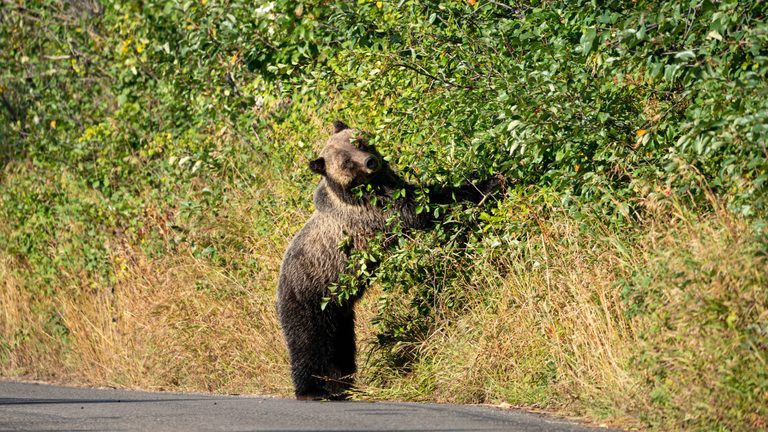
Conversely, wildlife‑focused groups voiced concerns about potential impacts on the valley’s delicate riparian habitat. Renee Seidler, executive director of the Jackson Hole Wildlife Foundation, warned that human presence on the pathway could disturb black bears, grizzly bears, elk, and moose more than current automobile traffic. Jackson Hole Conservation Alliance Executive Director Jenny Fitzgerald echoed those worries, describing the federal move as overreach and questioning whether recreation should be prioritized over ecosystem protection.
Balancing Access and Stewardship
GTNP Superintendent Chip Jenkins emphasized the agency’s commitment to “providing appropriate recreational opportunities while maintaining the natural and cultural resources that sustain a healthy, functioning ecosystem.” The park plans to incorporate mitigation measures, such as wildlife crossings and signage, to reduce human‑wildlife conflict as the project proceeds.
Stakeholders will continue to monitor the planning process, and the NPS has pledged ongoing public outreach and coordination with local conservation groups before final construction begins.
Original reporting: Buckrail (Jackson WY) — read the source article.