Austin, Texas – The election of Democrat Gina Hinojosa as governor marks a historic shift in Texas politics and raises new possibilities for the future of Austin Independent School District (AISD). Hinojosa, who served on the AISD board of trustees from 2012 to late 2015 and was its president, announced she will fire Education Commissioner Mike Morath on her first day in office and work to end state takeovers of public schools.
State law still guides intervention
Despite the governor‑elect’s promise, Texas law requires the Education Agency to intervene when a district receives a fifth failing accountability rating. Both Burnet and Webb middle schools have earned that rating, triggering the intervention statute. Experts say a new commissioner would still be bound by the same code, though the shape of any intervention could change.
What the governor‑elect can influence
University of Texas at Austin associate professor Rachel White explains that Hinojosa’s plan to replace Morath could be carried out by declining to reappoint him and nominating a successor. That nominee would still need confirmation by a two‑thirds vote of the Texas Senate, where Republicans retain a majority despite Democrat Vikki Goodwin’s election as lieutenant governor.
Even with a Democratic lieutenant governor presiding over the Senate, the confirmation hurdle means the governor‑elect’s choice may face significant scrutiny. Nonetheless, a new commissioner could exercise discretion in how the law is applied, potentially favoring support and guidance over outright district takeover.
Local leaders see a chance for change
AISD trustee Candace Hunter, who won a second term on the board, welcomed the election as an opening to modify the state’s approach. “I’m not opposed to state intervention – what district would turn away a helping hand? – but the current system seeks to displace and destroy,” she said.
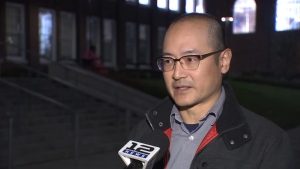
Ken Zarifis, co‑president of the AISD employees union Education Austin, echoed optimism. While acknowledging that the intervention law remains unchanged, he expects Hinojosa’s administration to interpret it differently. “We’ll have a different rule come January,” he said, noting that families must continue to hold the district accountable.
Community concerns and hopes
Parents like Lily McClure, whose children attend Hill Elementary and Murchison Middle School, voiced frustration with budget deficits, teacher cuts, and the state’s voucher program. “The egregiousness of starving a public school system when we are just sitting on mounds of wealth as a state is negligent,” she said, urging more funding and a reversal of the voucher scheme.
Petitions to close Burnet and Webb middle schools are still being organized, and an appeal of the schools’ accountability ratings could remove the immediate threat of state intervention by December, before Hinojosa takes office.
Next steps
Should Hinojosa’s administration replace Morath, the new commissioner will need Senate confirmation and will then decide whether to keep the elected school board, restructure district leadership, or pursue school closures as an alternative to a full district takeover. The outcome will hinge on how the administration balances state law with its stated goal of preserving local control and strengthening public education.
For now, Austin families and educators watch closely, hopeful that the historic election will translate into tangible improvements for their schools.
Original reporting: Texas Tribune (HLL/CB) — read the source article.